 TR
 EN
 عربي


Production line
Textured vegetable protein
A twin-screw extrusion line producing meat-like textured soy protein from defatted soy flour.
- Capacity
- 240–500kg/h
- Installed power
- 68.5–165kW
- Line length
- 18–22m
01·Line journey
From defatted soy flour to textured vegetable protein.
-
 1
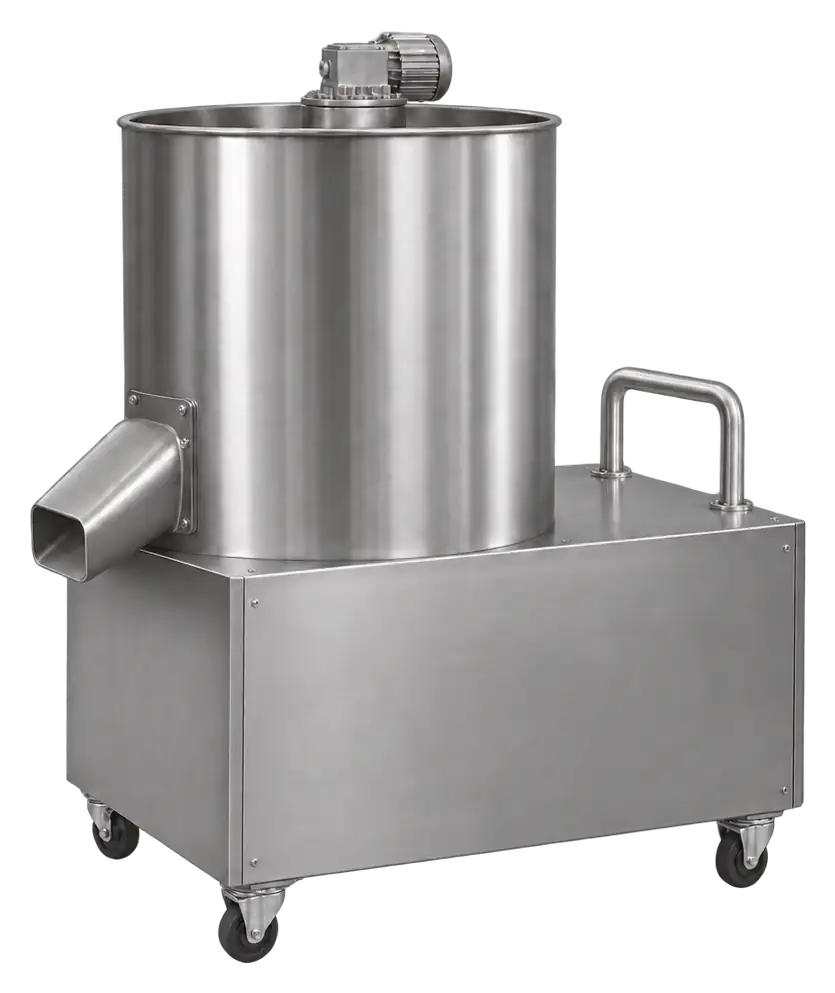
Mixing
Mixer
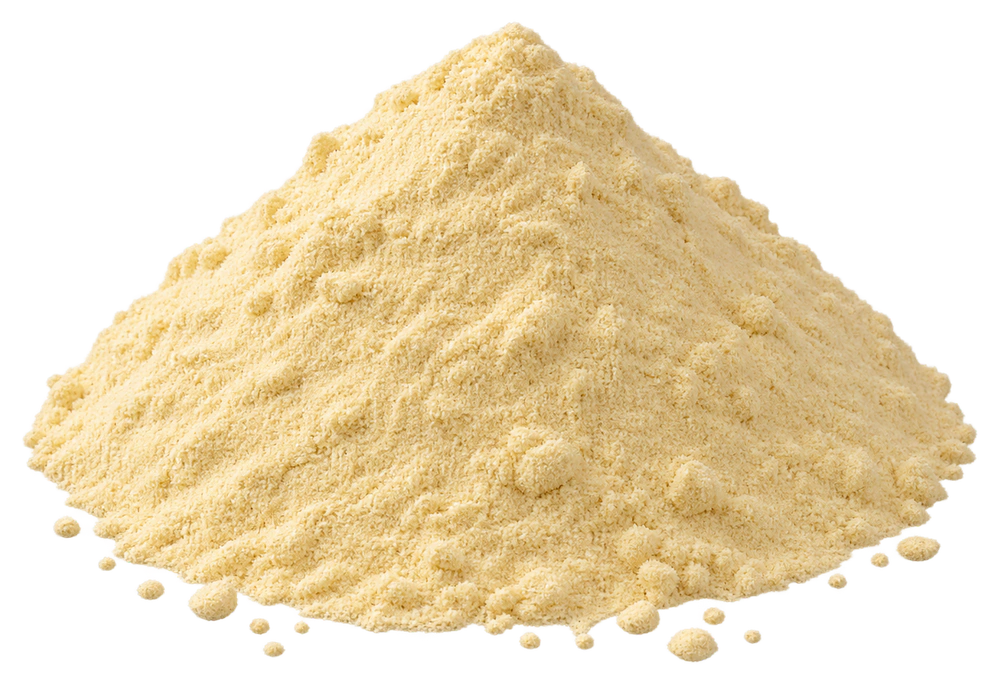
Defatted soy flour, a by-product of soybean oil, is mixed.
-
 2
Feeding
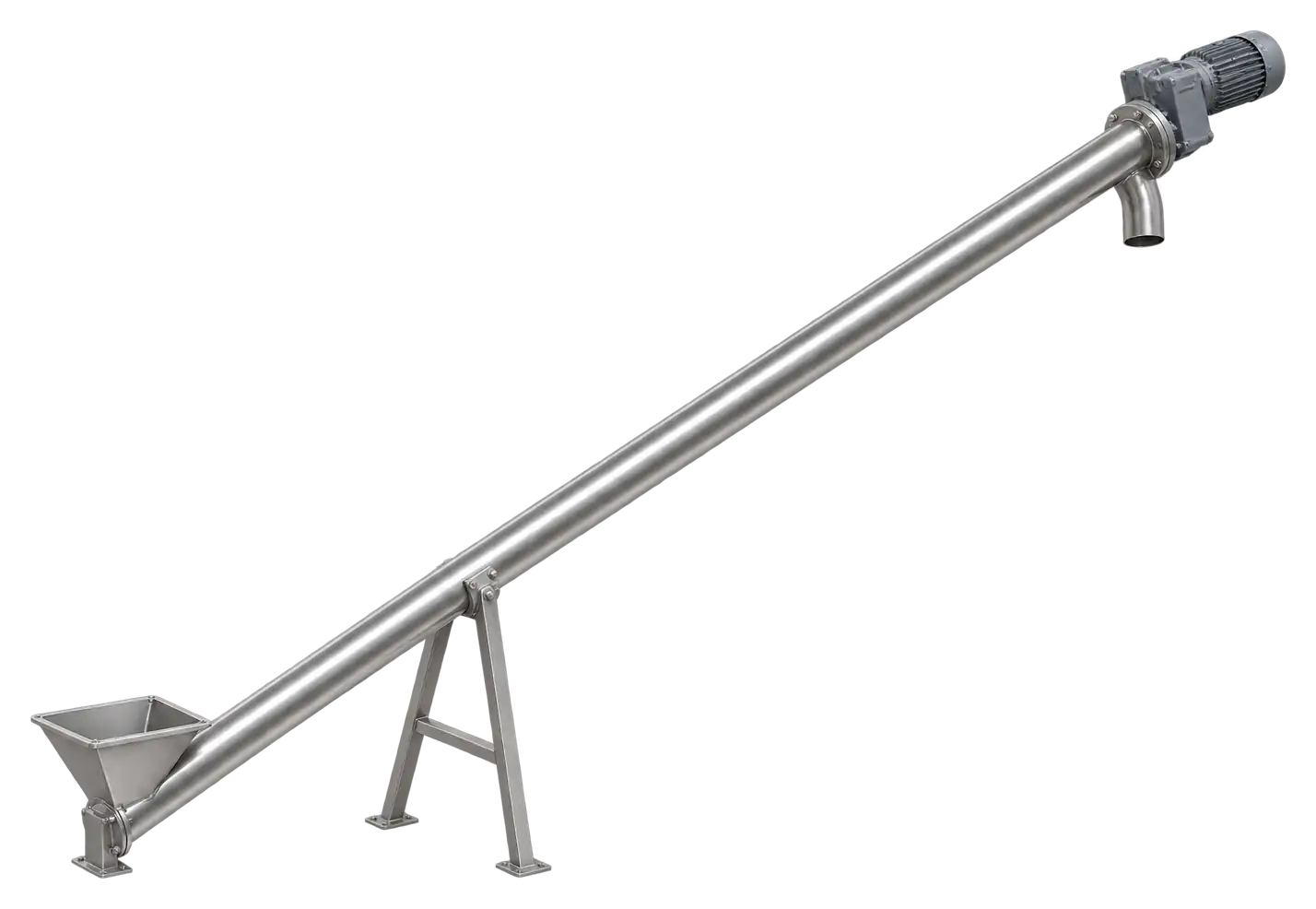
Screw conveyor
The mix is transferred to the extruder’s feed hopper.
-
 3
Extrusion
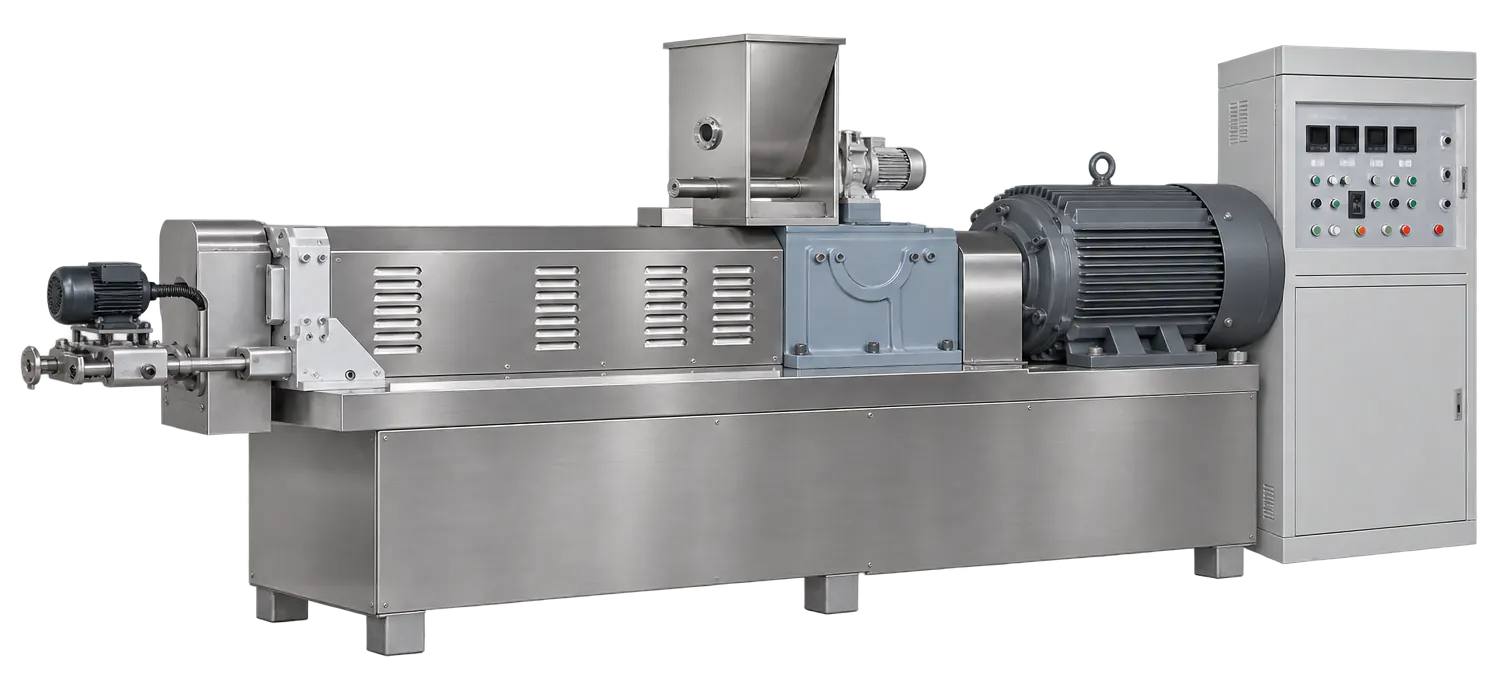
Double screw extruder · SP65-IV · SP85-III
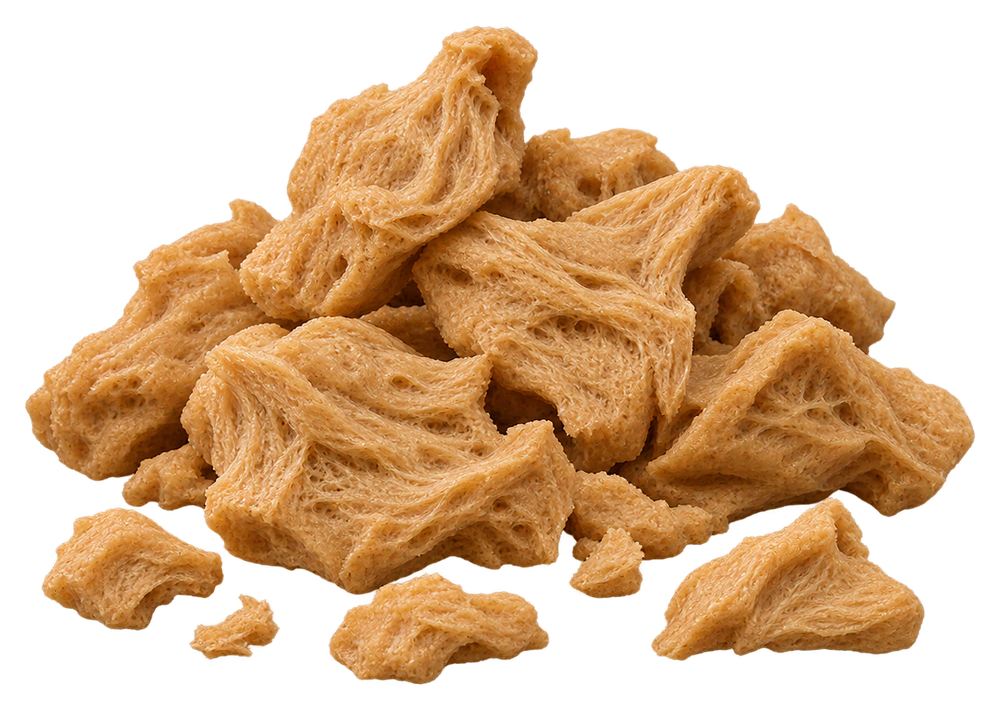
Under pressure and heat the protein takes on a fibrous, meat-like texture.
240–500 kg/h
-
 4
Conveying
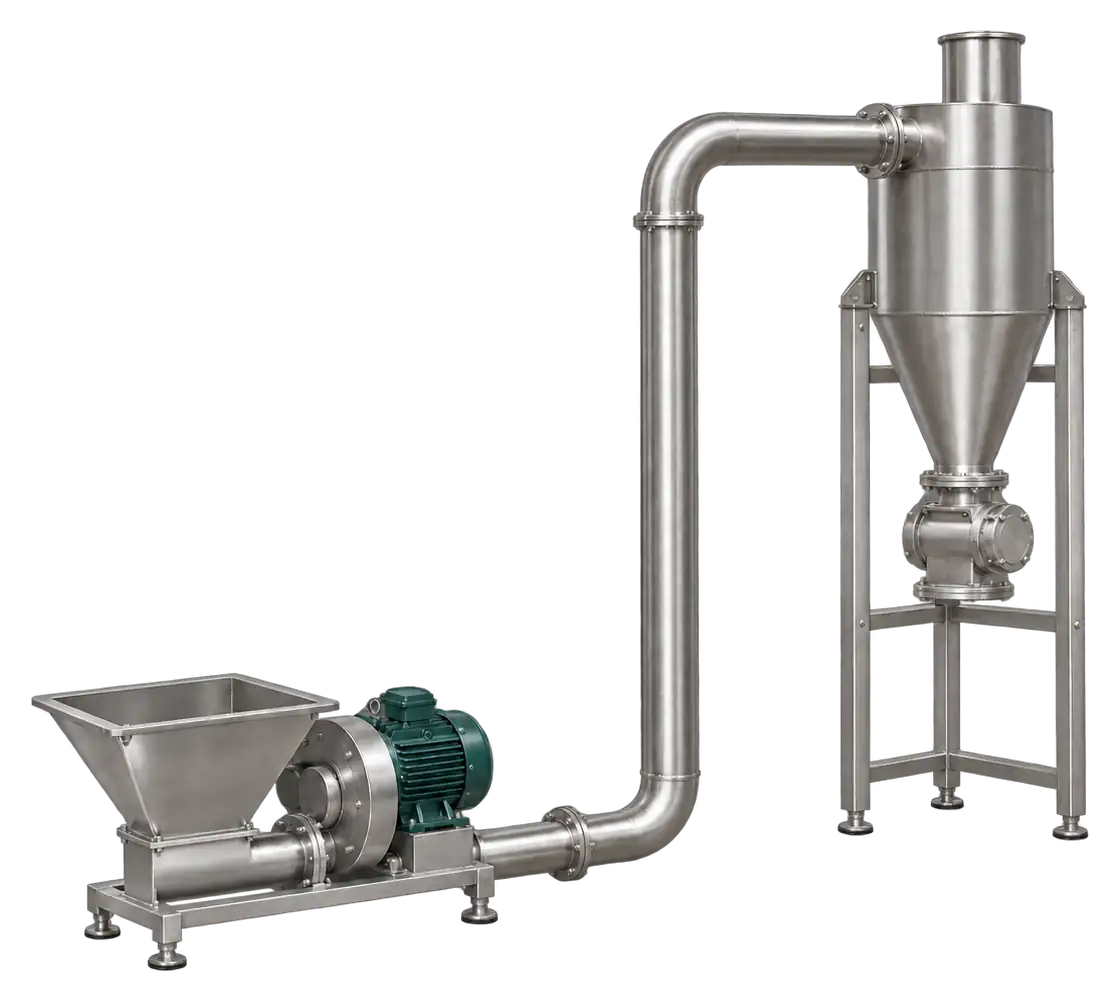
Air conveyor
The fresh product is carried to the dryer in a closed line, without breaking.
-
 5
Drying
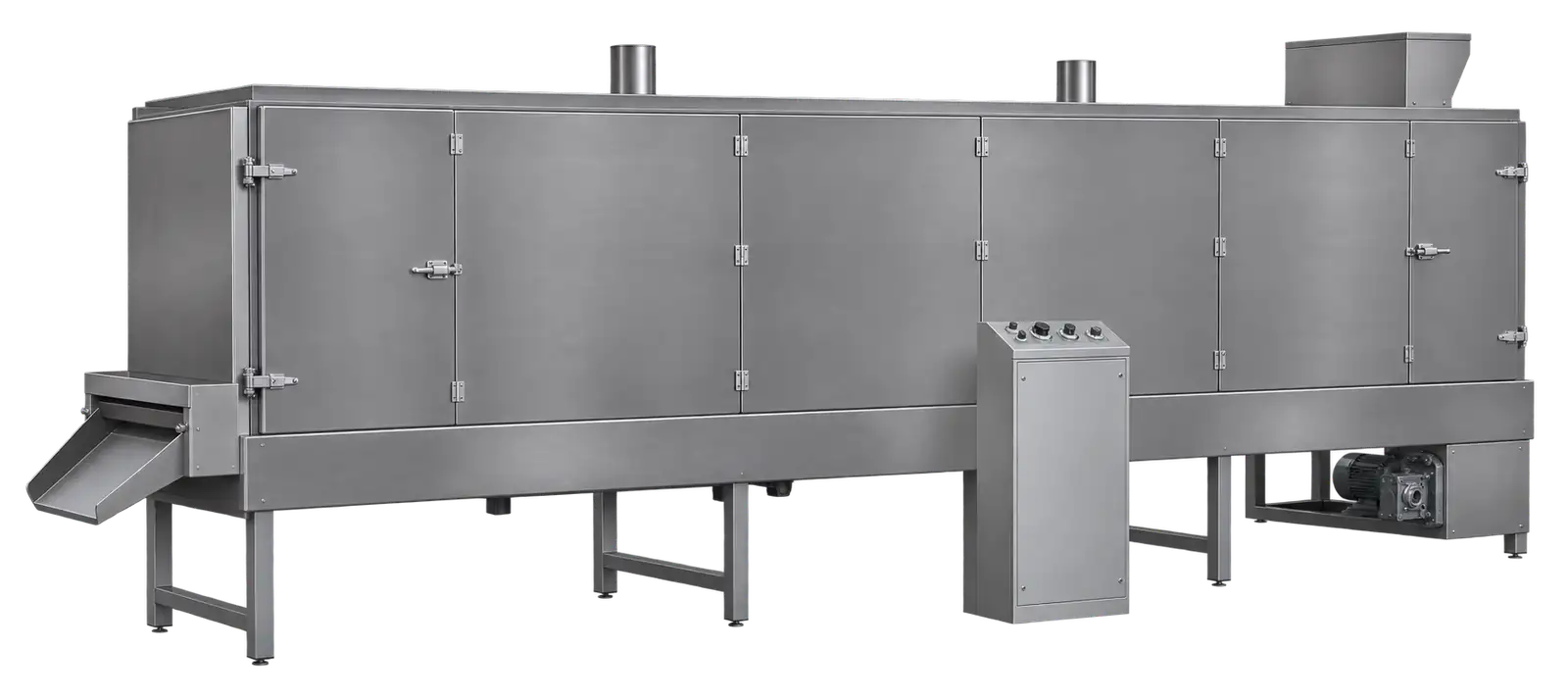
Dryer
Dried in the multi-layer dryer at a thermostat-set temperature.
5 layers
View the machine -
 6
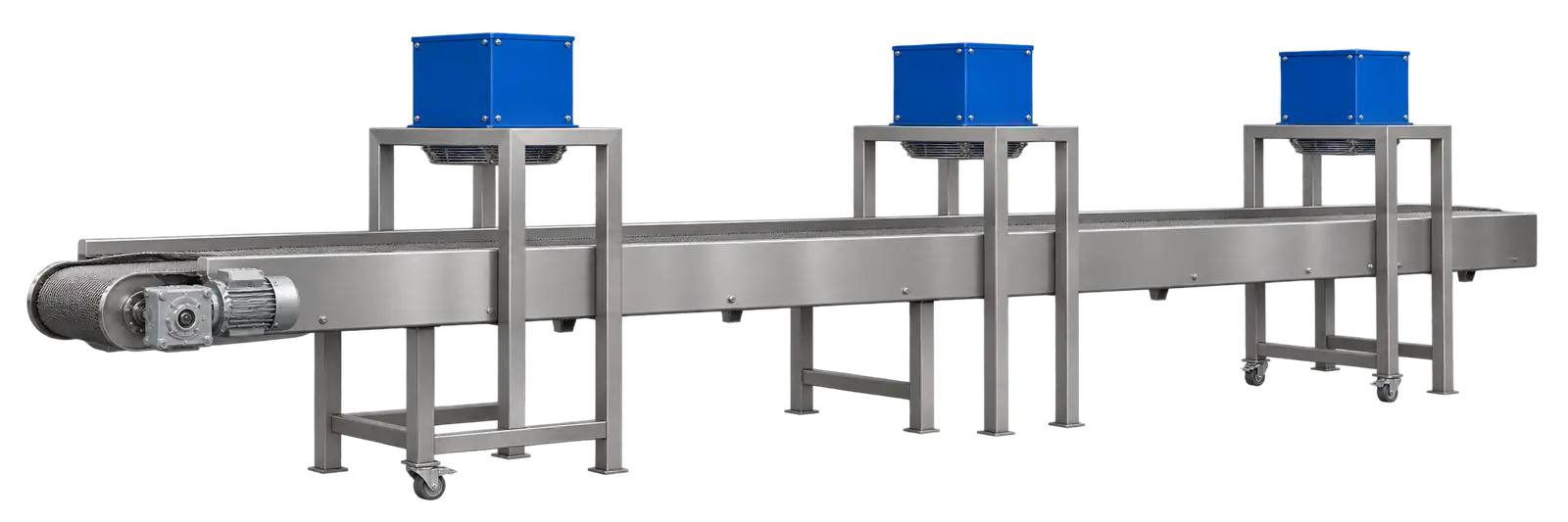
Cooling
Cooling conveyor
The product is cooled on a fan-cooled belt.
-
 A step that completes the line end to end
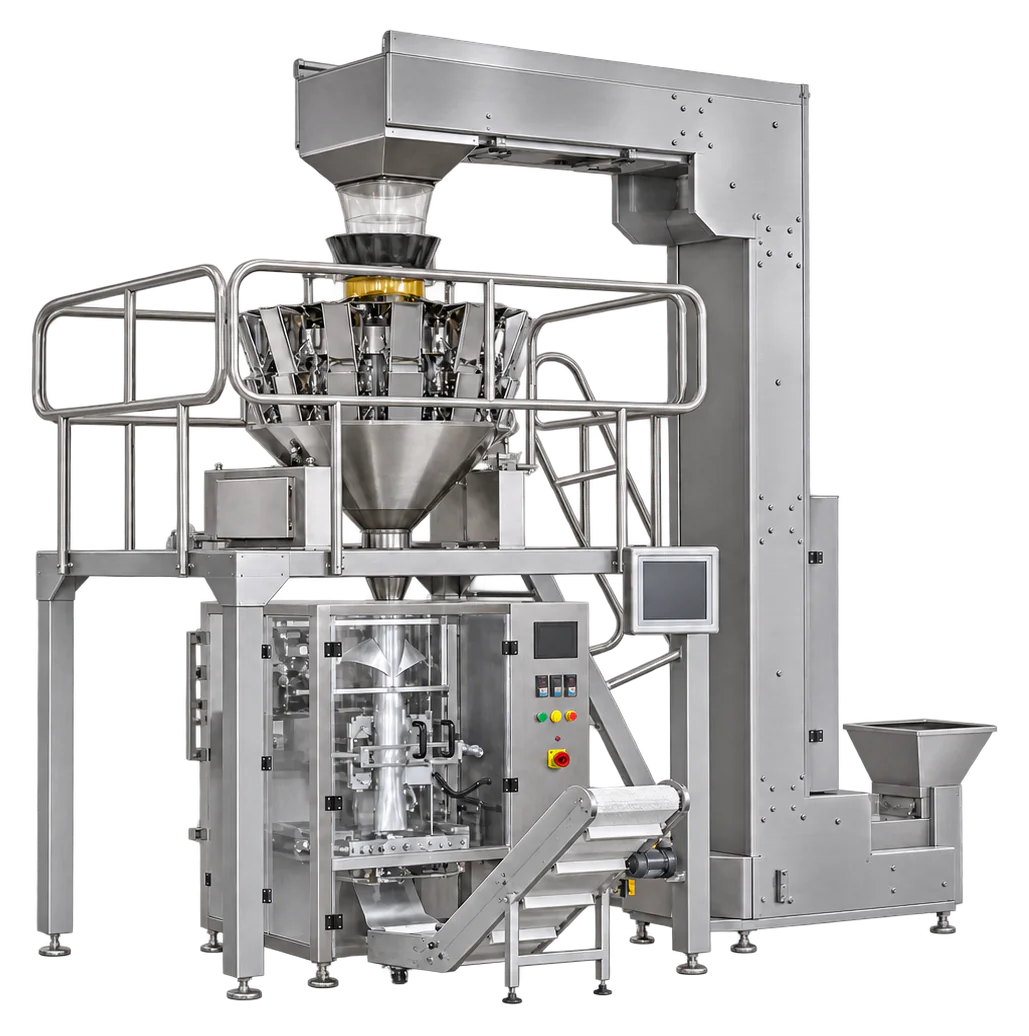
Packaging
SPK full automatic vertical granule packaging line
The product is weighed and packed untouched by hand.
≤ 45 bags/min
View the machine -
Made on this line
- Textured soy protein (TSP)
- Textured vegetable protein (TVP)
- Meat analogues
- Finely ground form
02·Production line features
What this line can produce
- Textured soy protein (TSP)
- Textured vegetable protein (TVP)
- Meat analogues
- Finely ground form
Production line features
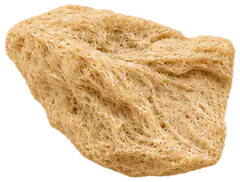
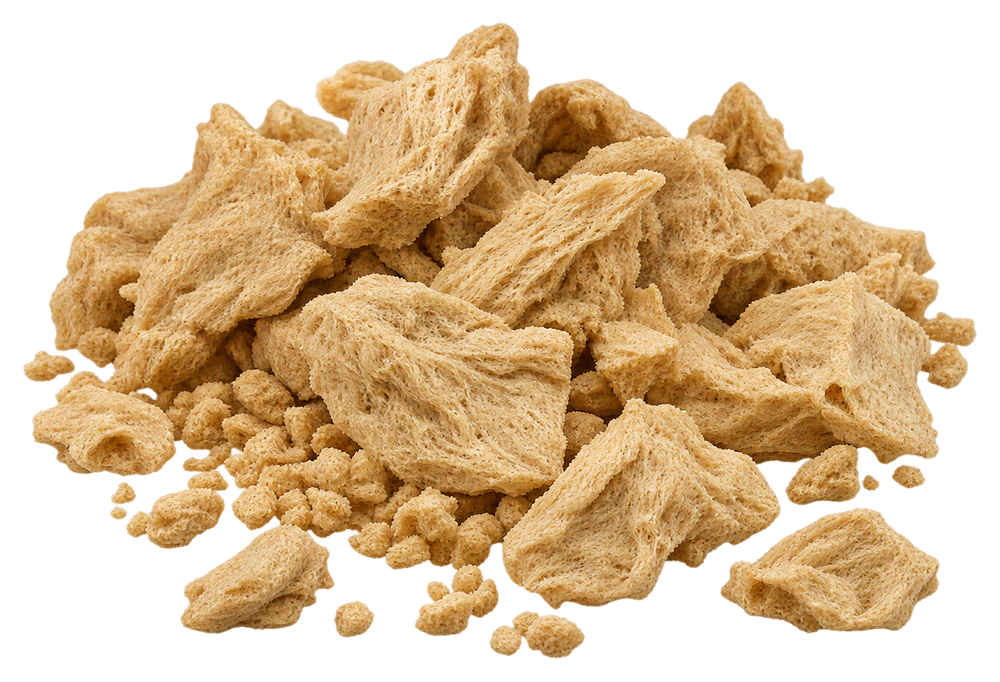
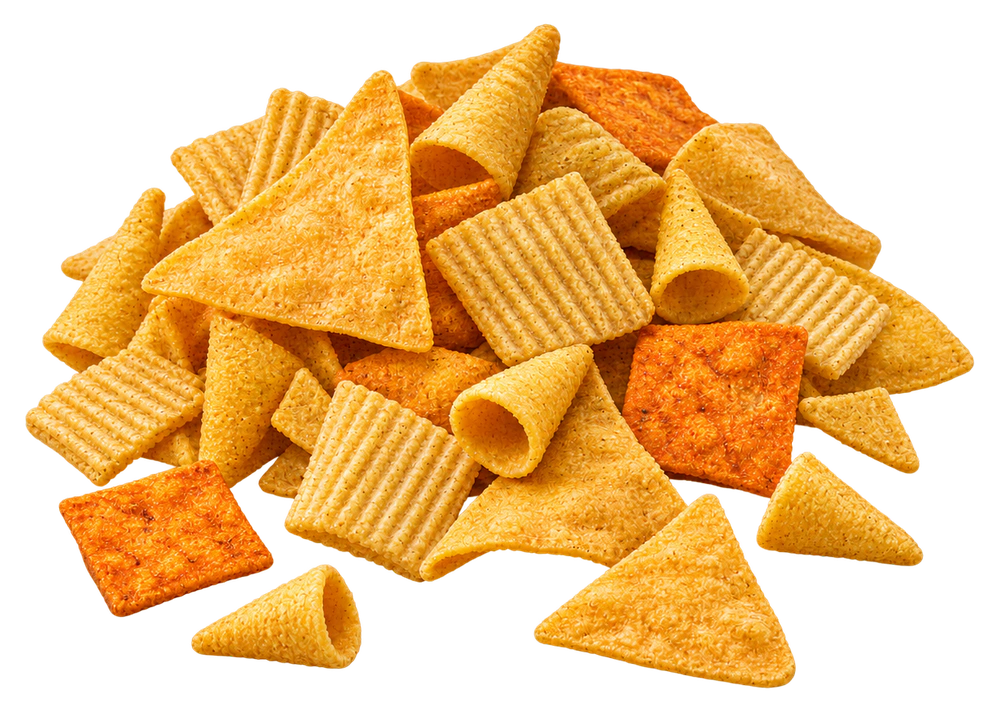
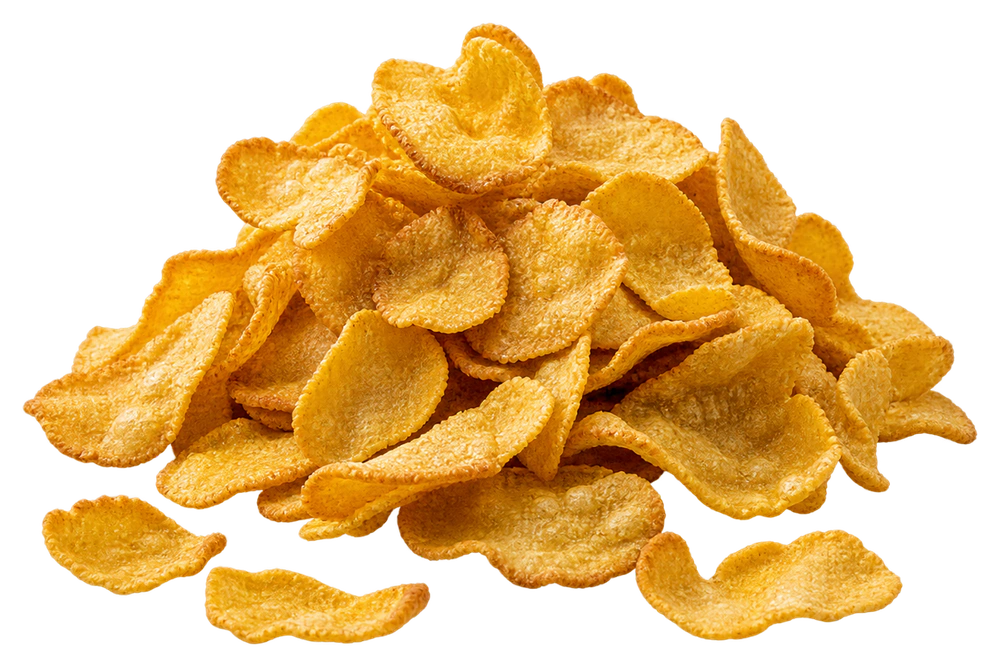
Textured soy protein comes from defatted soy flour, a by-product of soybean oil, so it is plentiful in supply. It is also quick to cook and a great source of vegetable protein without the fat. Textured soy protein comes in small dry chunks resembling dried vegetables, or in a finely ground form. It is flavourless, but when rehydrated you can add your own flavours, making it a great protein-filled addition to many dishes calling for ground meat. Because of its varying texture it is versatile and can take on the texture of many meats; for instance, it is excellent in chili, tacos, veggie burgers and soups.
With its muscle-like structure it has good absorbency and contains no cholesterol. It can be boiled at high temperature with different flavours, or added to meal products as stuffing. When it is used to replace meat in stews and soups, it is hard to tell the difference, and since it can be marinated in many of the same sauces as meat, it can take on many of meat's flavours.
03·Technical specifications
Model comparison
Values from the 2016 catalogue; capacity in kg/h. Request a quote for a project-specific configuration.
04·What Mavi Protein brings
What comes with the line.
- 1
Ration and formulation
Recipes specific to species, age and product; choice of raw materials and additives.
- 2
Installation and commissioning
Layout, assembly, mechanisation and first production.
- 3
Handover through training
Training for operators and technical staff.
- 4
Raw material and consumable supply
Sourcing of raw materials, additives, vitamins and minerals.
- 5
Funding and project support
Financing the investment through suitable support programmes.
Let us build this line for your product.
or directly +90 532 676 74 22 info@maviprotein.com.tr