 TR
 EN
 عربي


- No
- MP·64
- Date
- Topic
- Technical notes
- min read
- 5 min read
Aquaculture fish feed production
How are extruded fish feeds produced? Nine steps from raw material to packaging.
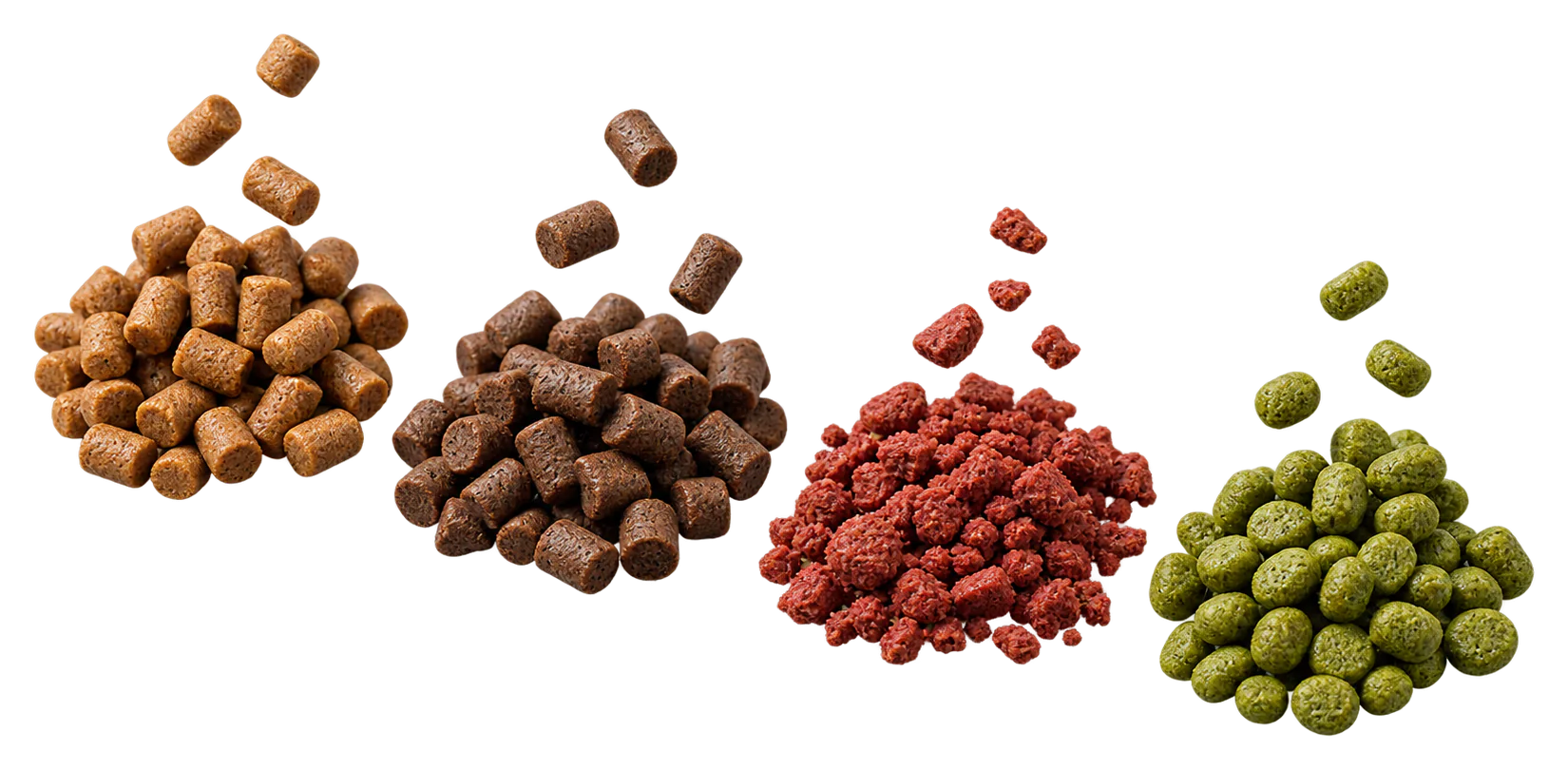
Formulation of the feeds used in aquaculture varies according to fish species, habitat (freshwater, saltwater, brackish water), life phase (larvae, juveniles and adults) and the fish's nutritional needs. The best method in the world for producing digestible, high-quality feed is extrusion. Extrusion is the compressing, shaping and cooking of the feed under high pressure.
Aquaculture fish feed production processes may be classified as:
- 01Raw material supply
- 02Dosing
- 03Grinding
- 04Homogeneous mixing
- 05Extrusion
- 06Drying
- 07Oil adding and flavoring
- 08Crumbling and sieving
- 09Packaging
Raw material supply
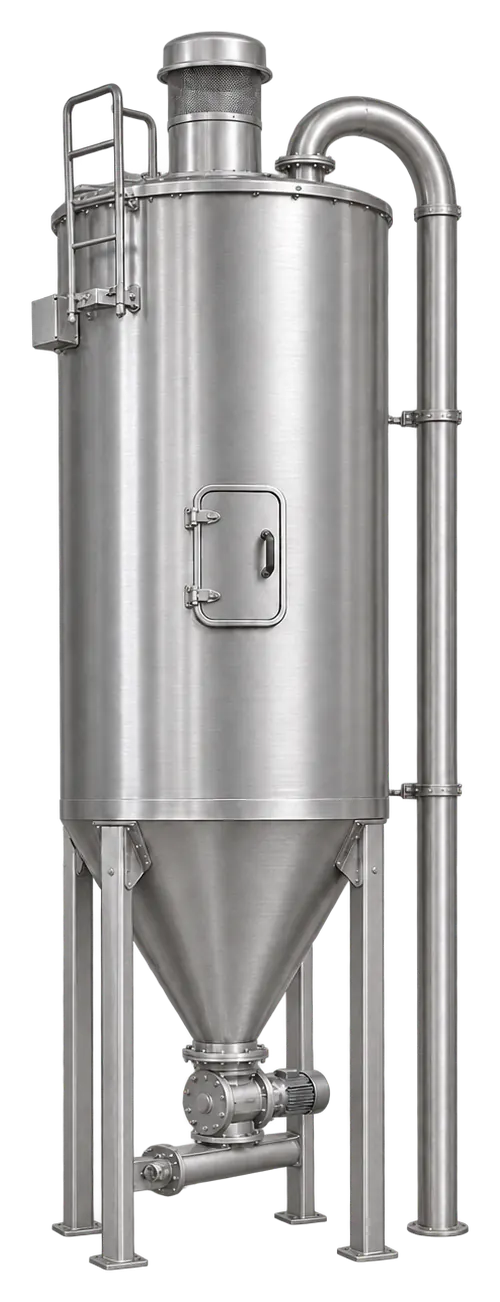
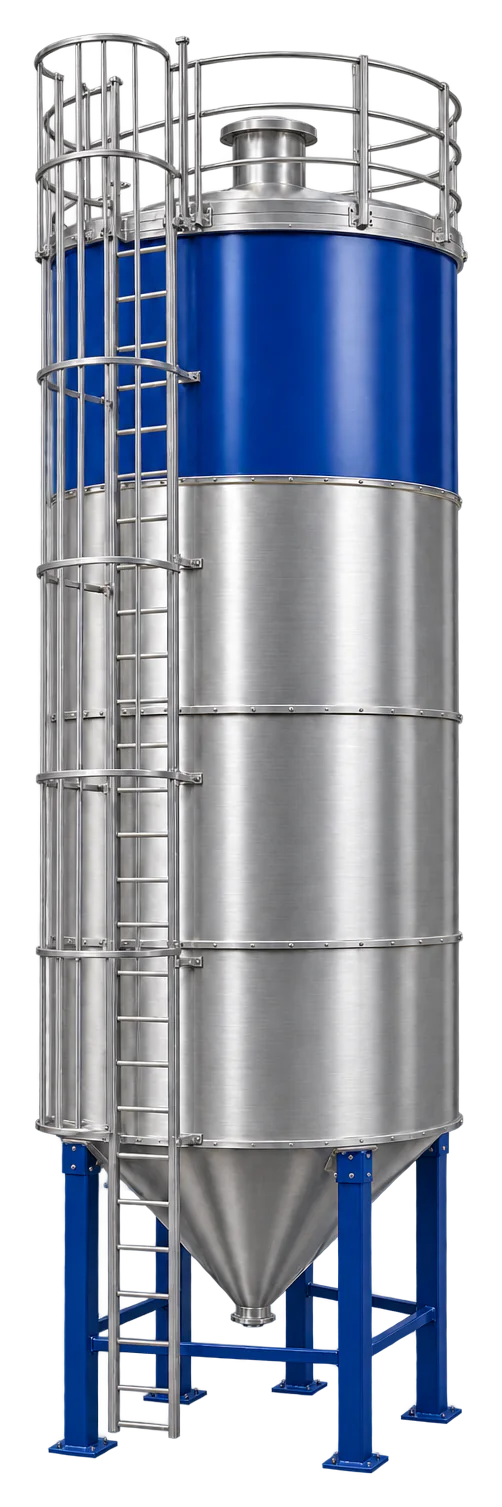
Raw materials used in aquaculture fish feed rations are obtained from domestic or international suppliers. Bringing in raw materials of high quality and in accordance with certain procedures is very important, as is their preservation; they can be stored in silos of various types and sizes.
Dosing
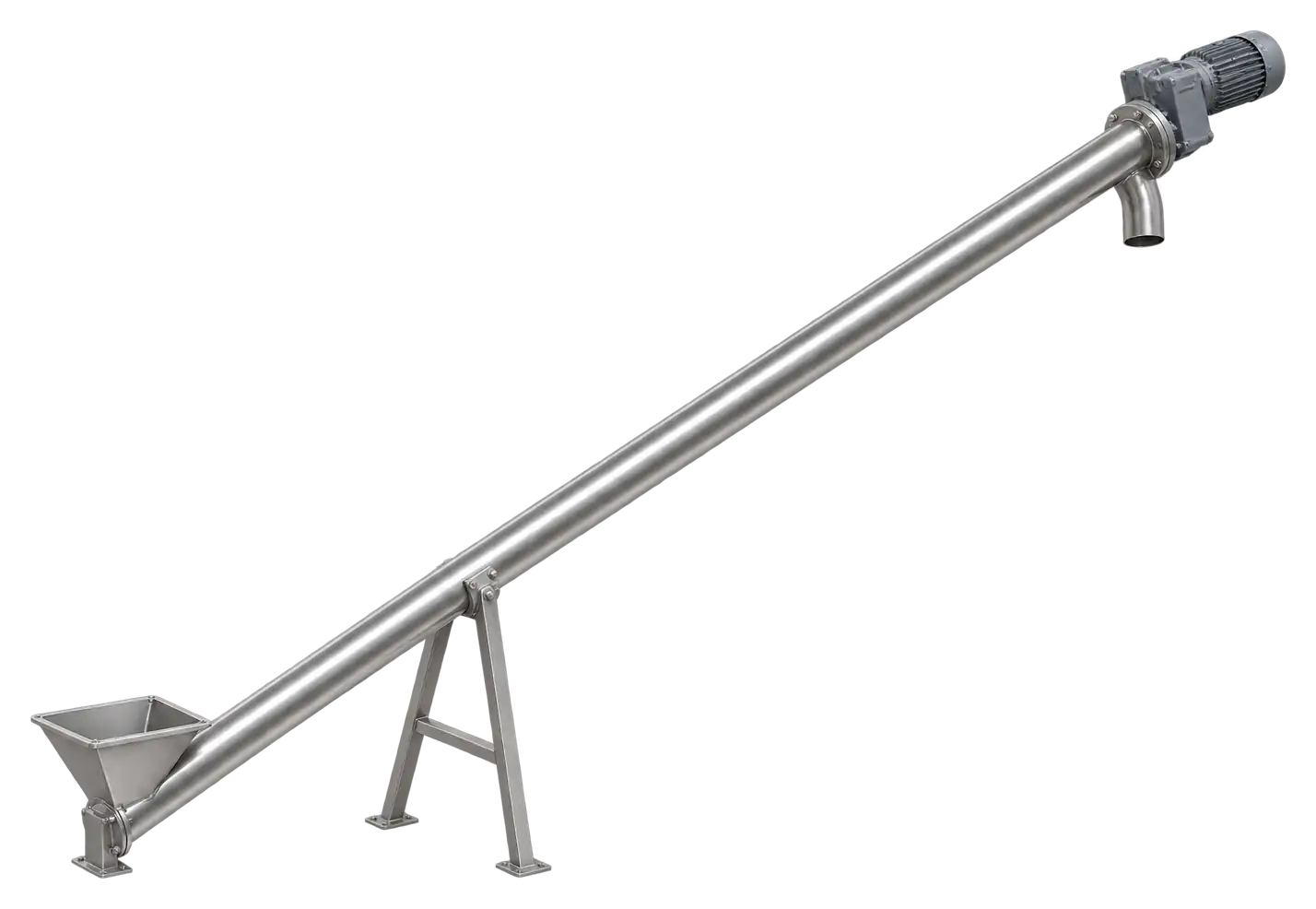
According to the formulation of the feed, raw materials are dosed from the silos by screw or belt conveyors and sent to the grinding system.
Grinding
Grinding is an important step to obtain high-quality extruded feed. Grinding raw materials to micron particle size directly influences the quality of the pellets.
Grinding machines come in various types. The standard grinding machine, considered the first generation, is a hammermill suitable for grinding large amounts and is used for the basic grinding of granular grains.
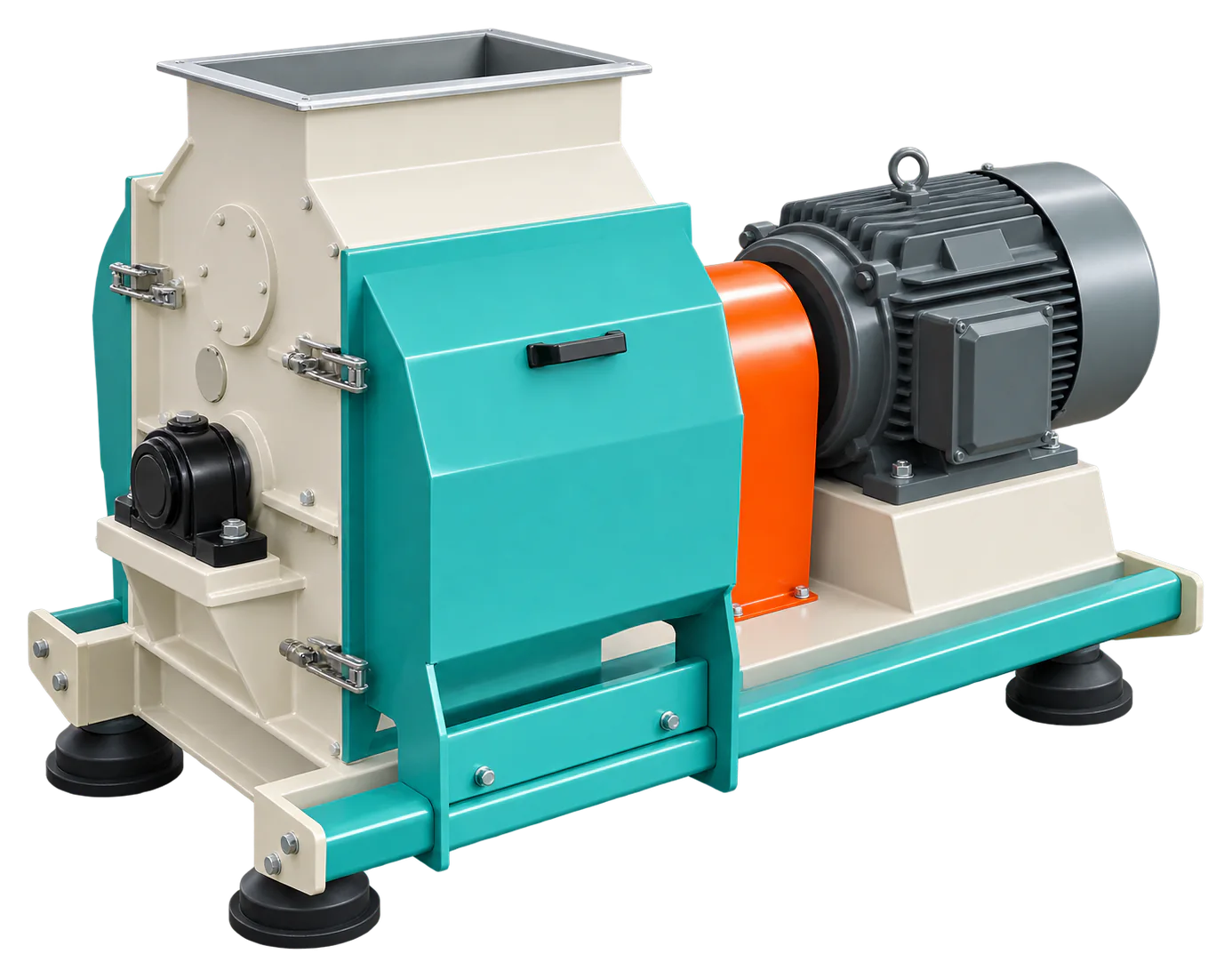
The fine grinder, considered the second generation, has a newly designed hammer and is suitable for finer grinding in the feed, food, environmental protection and chemical industries.
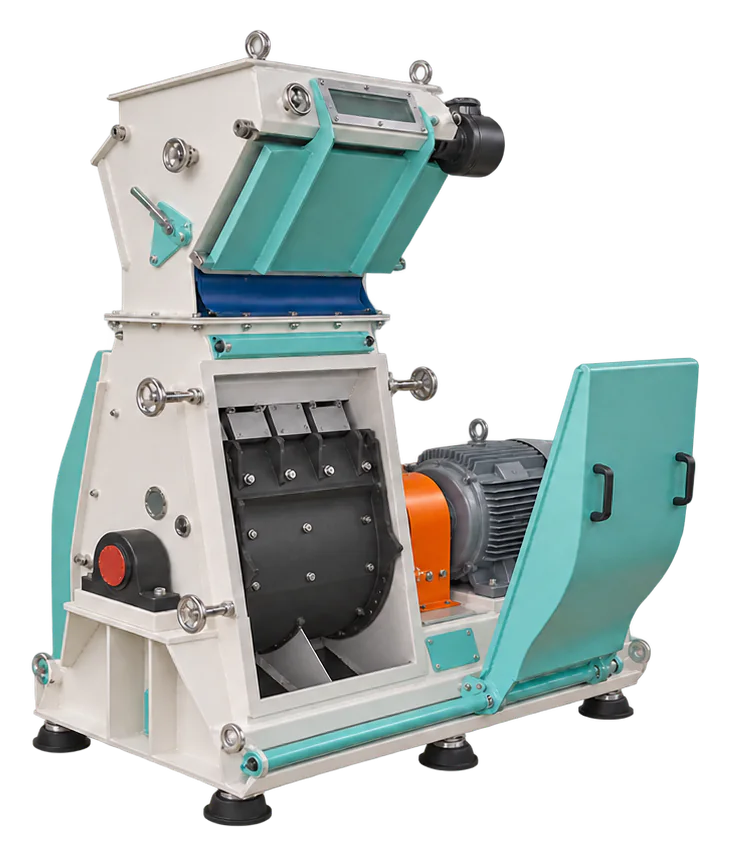
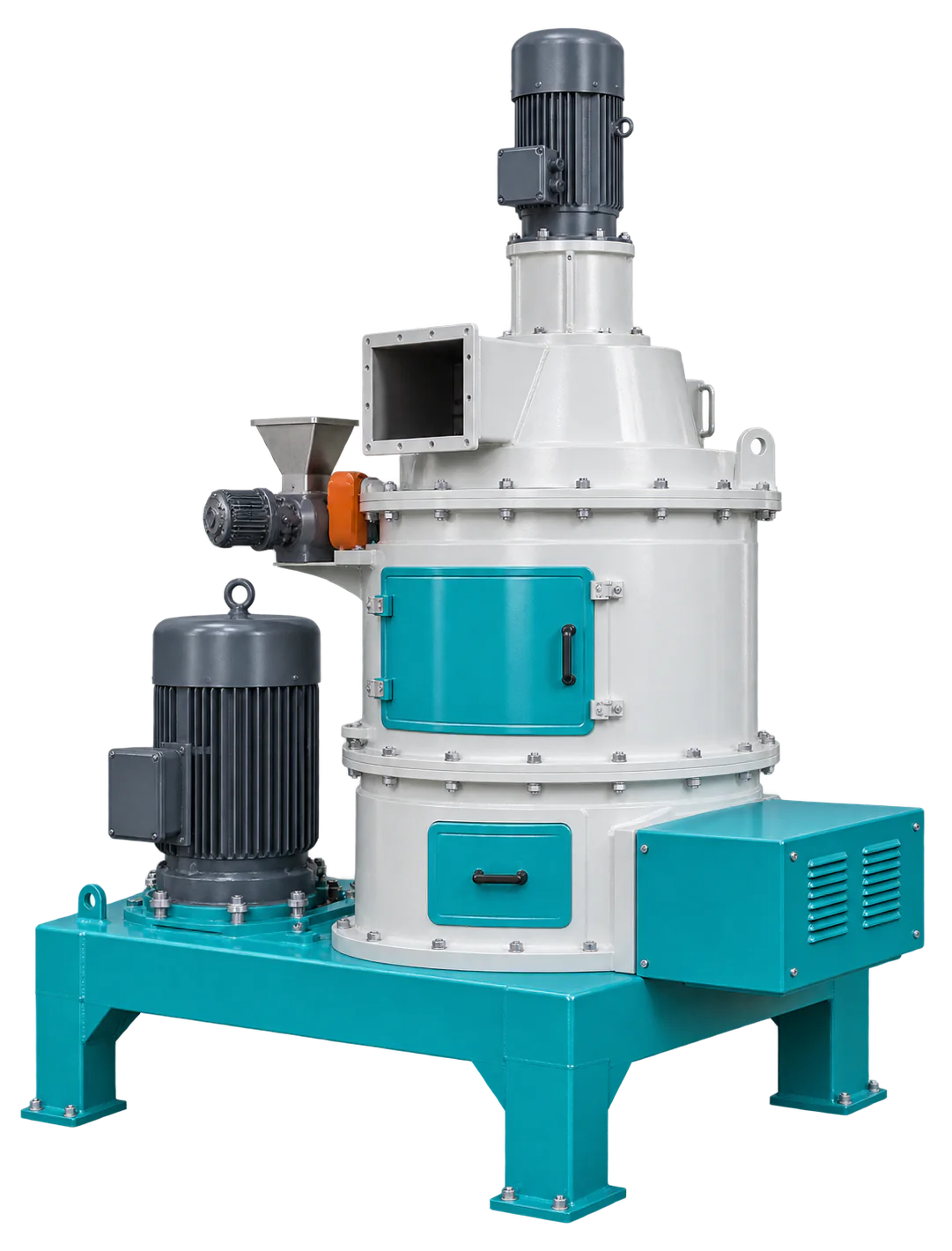
The micro grinder (micro pulveriser), considered the last generation, is suitable for micro grinding in the feed, grain, food, environmental protection and chemical industries. Its grinding range can be set between 10 and 100 µm; this type is essentially used in the production of micro-pulverised fish feed.
Homogeneous mixing
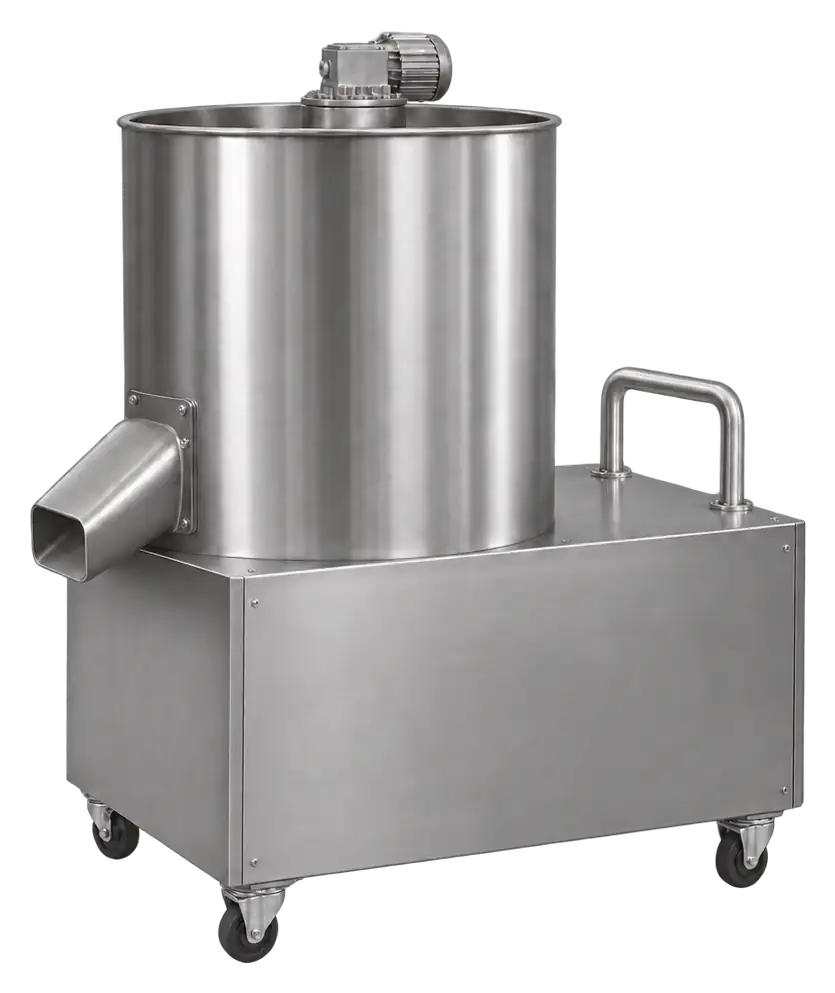
Homogeneous mixing is a very important step for microparticulate feed, ensuring that every feed particle has the same nutritional value. Mixers are therefore essential equipment for mixing the raw materials homogeneously.
The ground and homogeneously mixed fish feed raw material is stored in a separate silo until feed production.
Extrusion
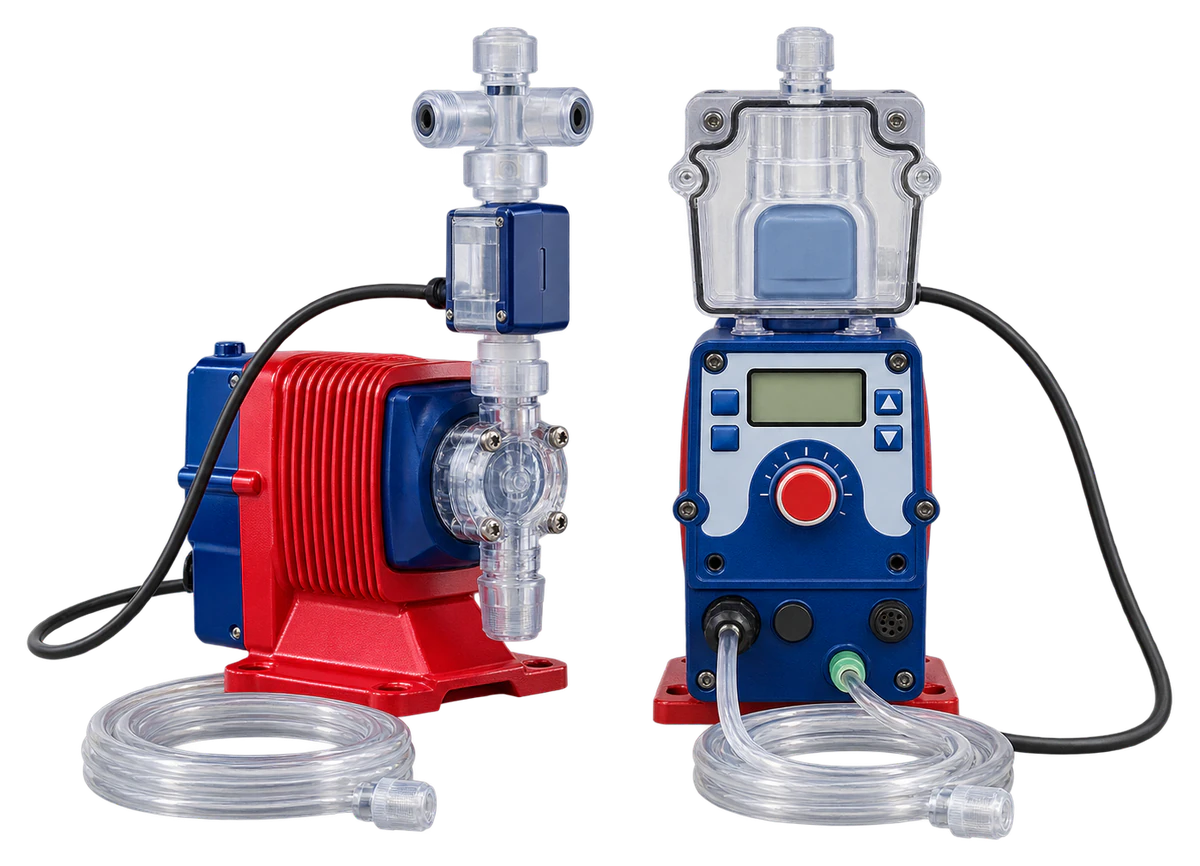
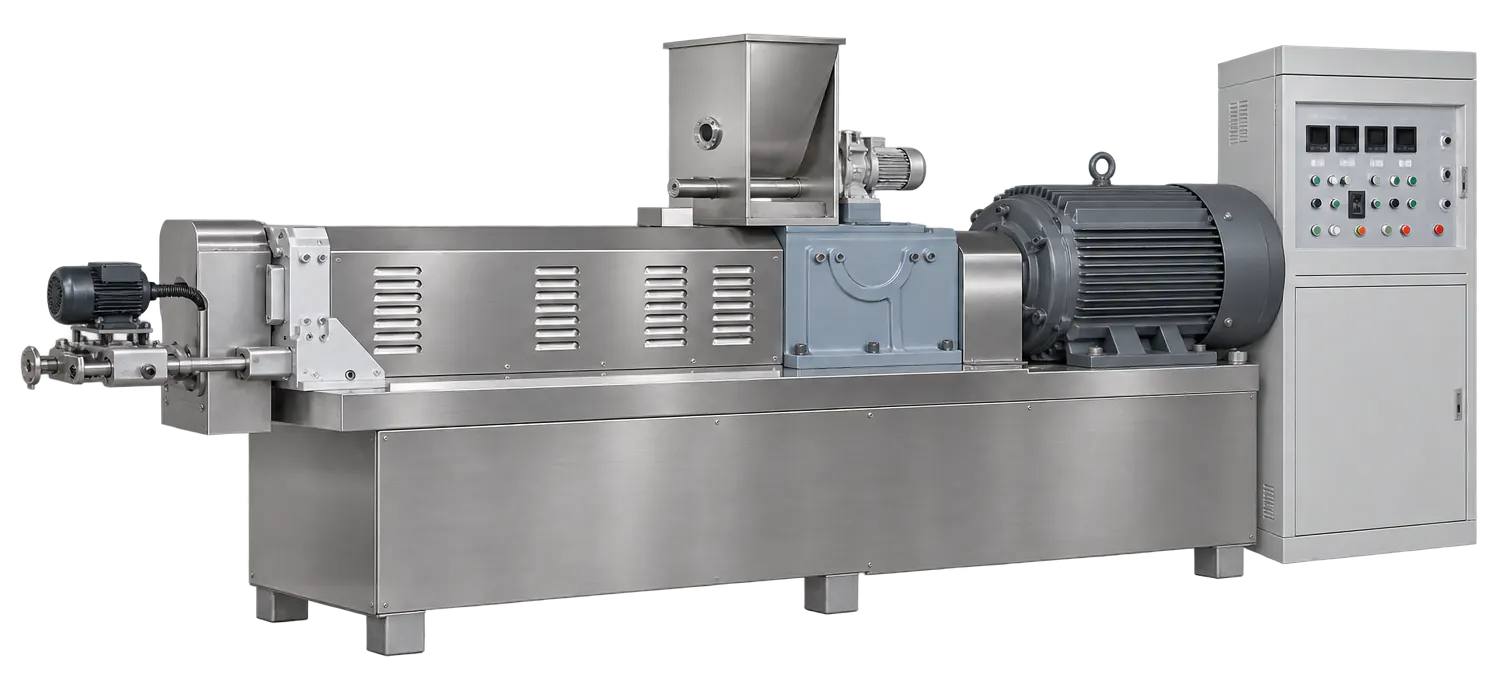
The fish feed raw material mixture is sent from the silo to the conditioner by screw conveyor. In the conditioner the mixture is tempered with water in set proportions, and the resulting raw dough is sent to the extruder. The conditioner and extruder are important, mutually supporting extrusion system equipment. The amount of raw material and water entering the conditioner is adjusted by the screw conveyor's rotation speed and a water dosing pump to achieve a uniform mix.
The raw dough coming from the conditioner is compressed and cooked under high pressure by the extruder's twin or single screw system. It is cut by special knives at the extruder outlet; pellets are shaped depending on knife speed and extruder speed.
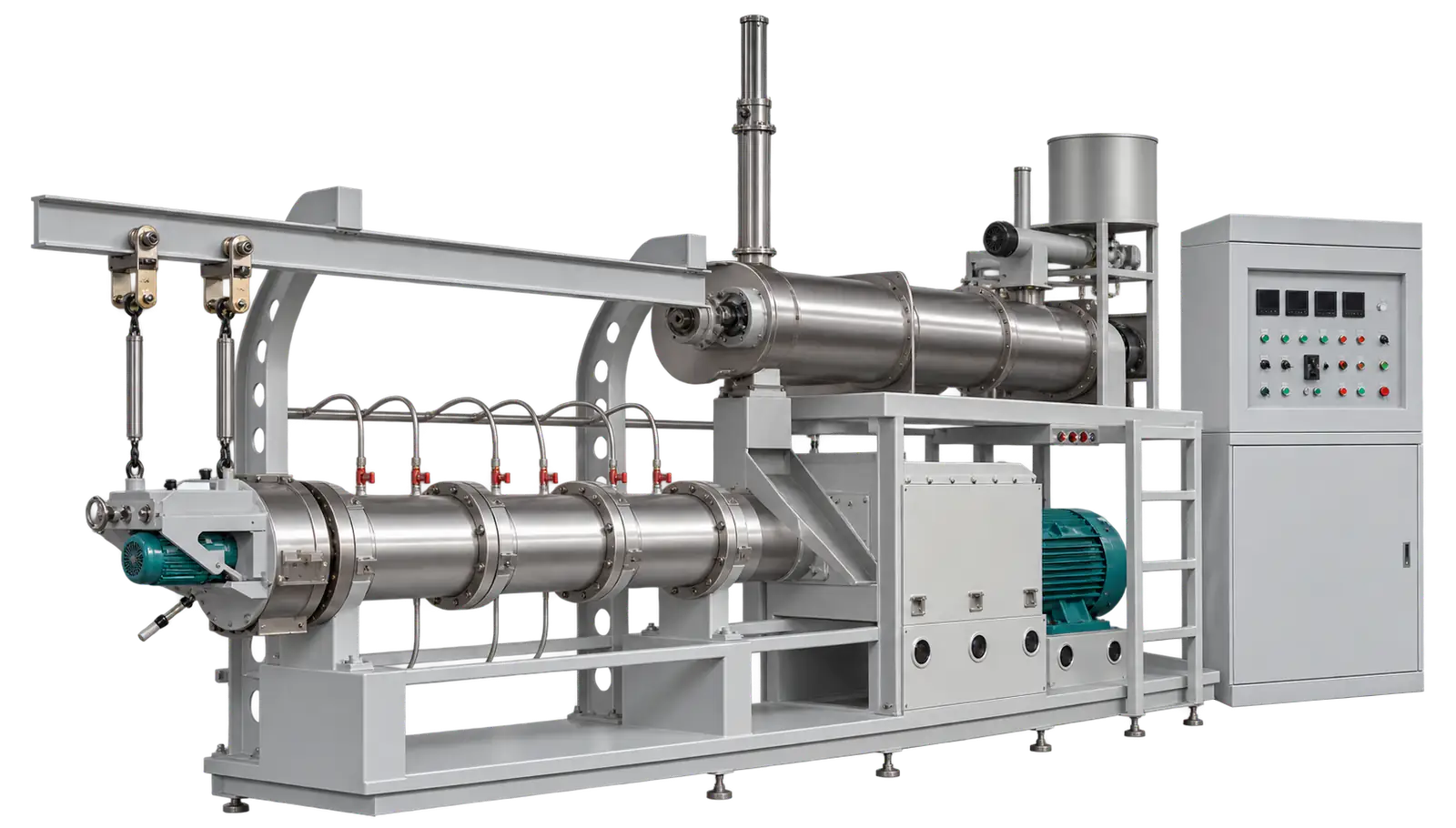
Extruder systems are of two types: single and twin screw. The twin-screw extruder is suitable for cooking and moulding various kinds of dog food, aqua feeds, meat analogues and products that cannot be processed by a single-screw extruder. By changing the arrangement of segments (mixing elements, kneading elements and steam block), the extruder can meet the needs of different products. The extruder is controlled by an independent control panel.
The extruder system consists of the following parts:
- Conditioning (feeding) system
- Extrusion system
- Cutting system
- Lubrication system
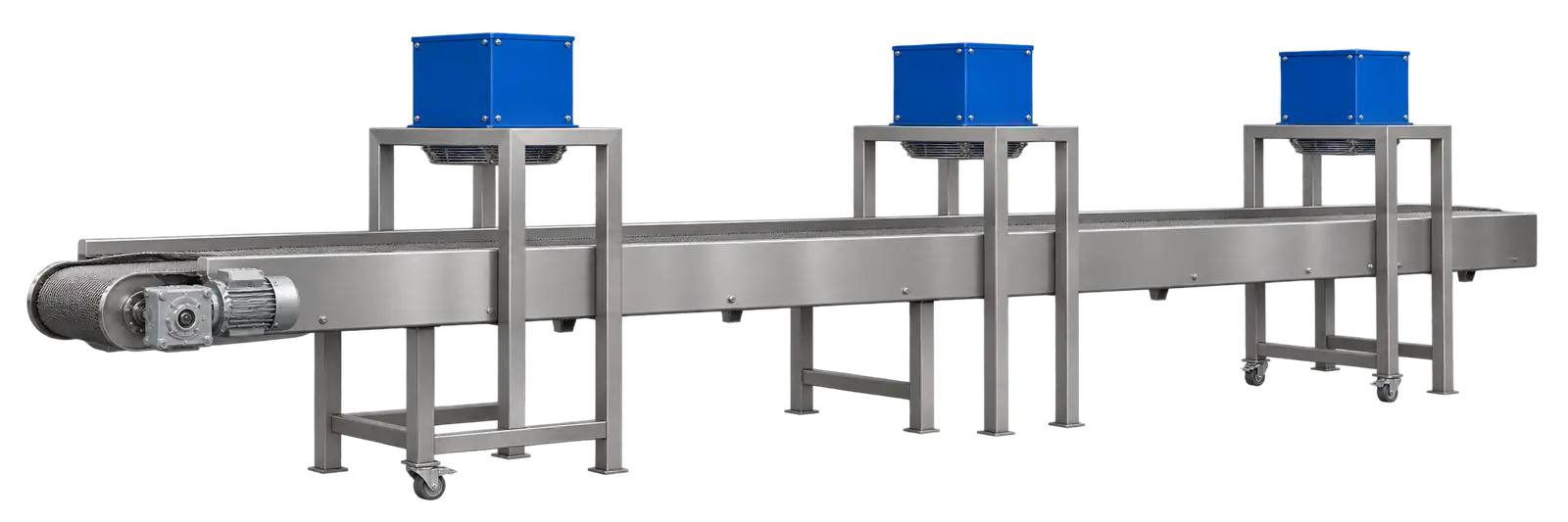
Pellets of 1–3 mm diameter are transferred from the extruder to the multi-layer dryer by pneumatic conveyor with a blower; pellets larger than 3 mm are transferred by belt conveyor.
The strong airflow of the pneumatic conveyor helps both pre-cool the pellets leaving the extruder and carry them to the multi-layer dryer in a closed system.
Belt conveyors also pre-cool the pellets and carry them to the multi-layer dryer without mechanical abrasion.
Drying
Dryers come in three types: electric, gas and steam. Their 5 layers and adjustable speed allow pellets to be dried as required.
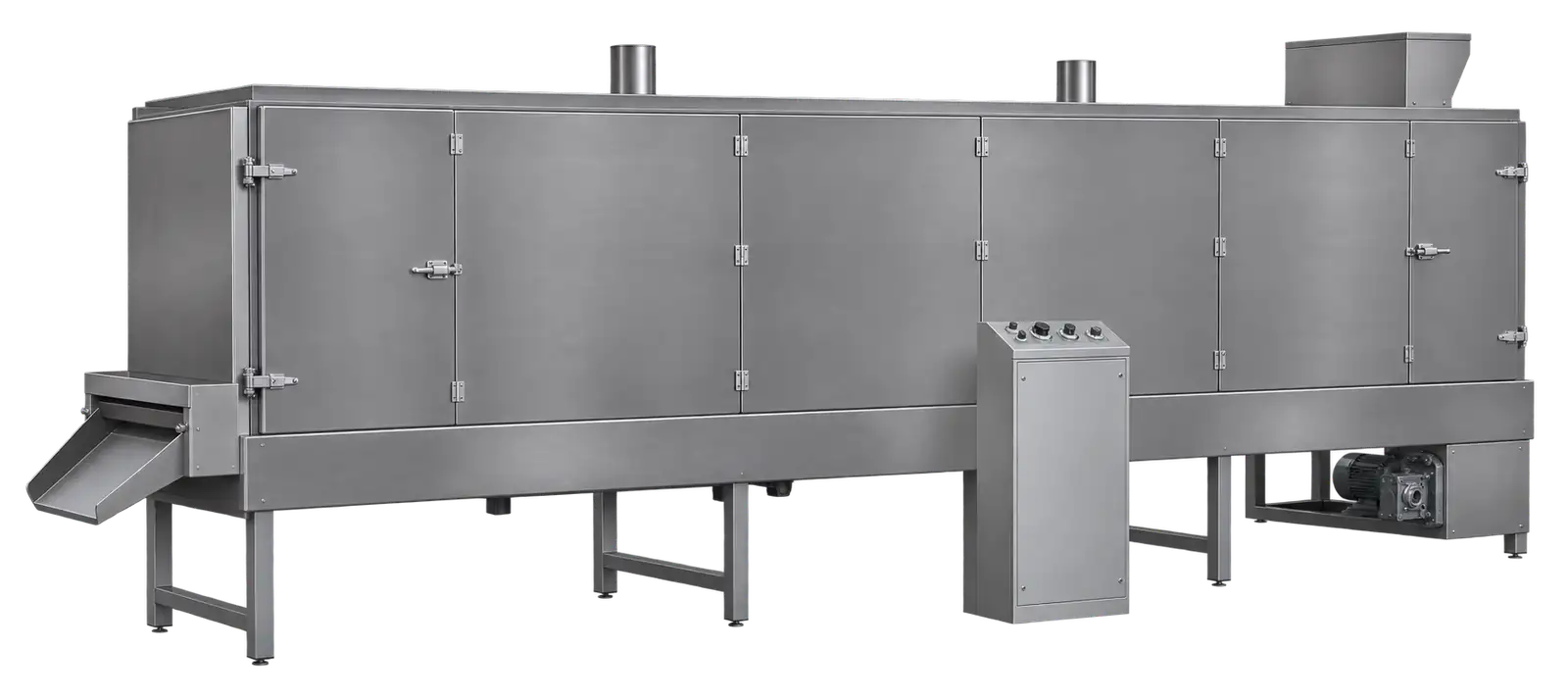
Pellets dried in the multi-layer dryer at the temperature set by thermostat are sent by belt conveyor to the flavouring drum for oil adding.
Oil adding and flavoring
The flavouring and oiling drum is used for oiling or flavouring fish feed pellets and consists of two consecutive cylinders with adjustable rotation speed and a temperature-controlled oil tank.
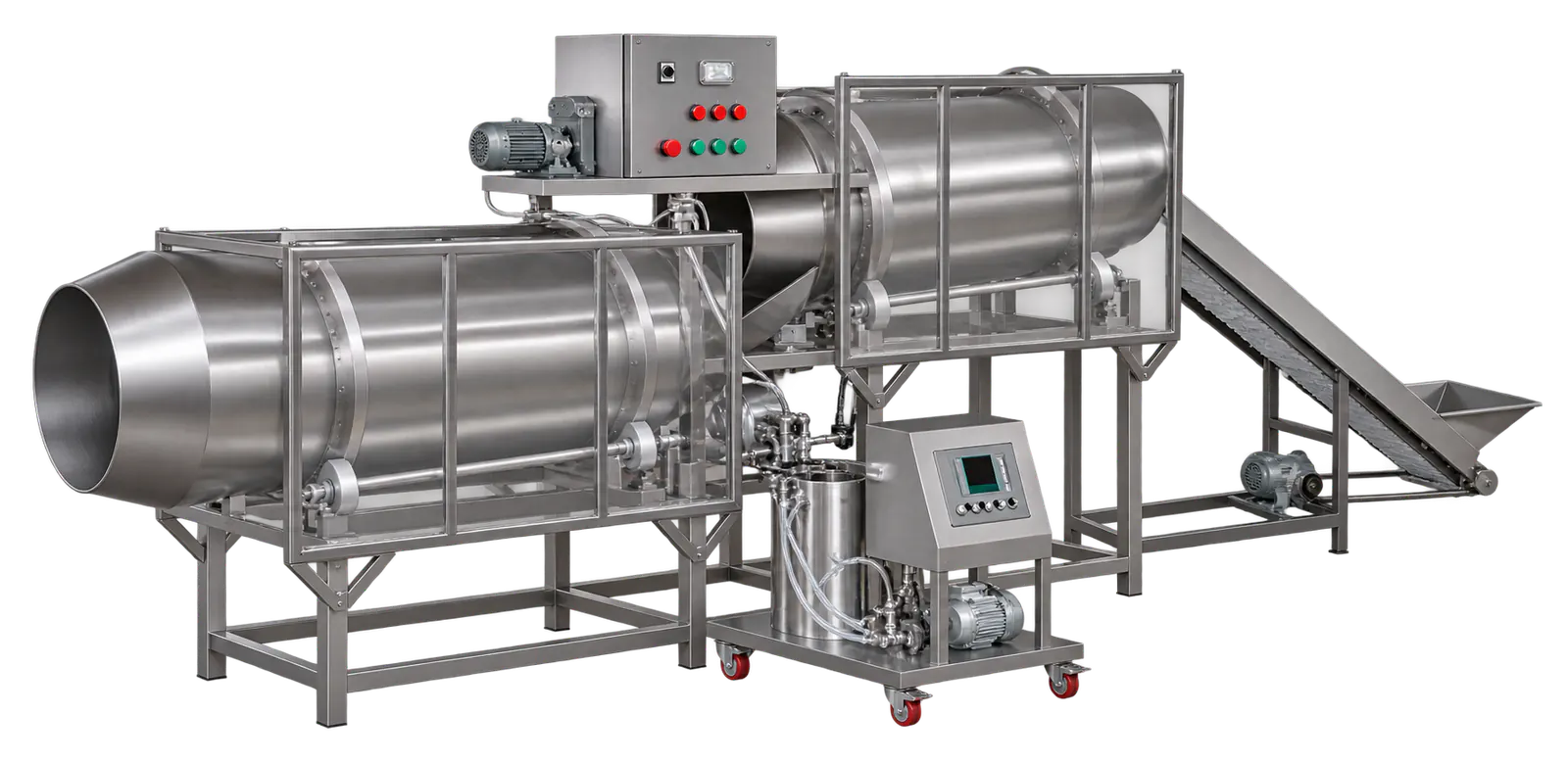
Oil, powder or aroma is sprayed onto the pellets coming from the dryer with a dosing pump, and the drum rotates at a set speed for a maximally homogeneous mixture.
After flavouring, the pellets are carried by cooling conveyor to storage silos and rested there for 1 day before packaging.
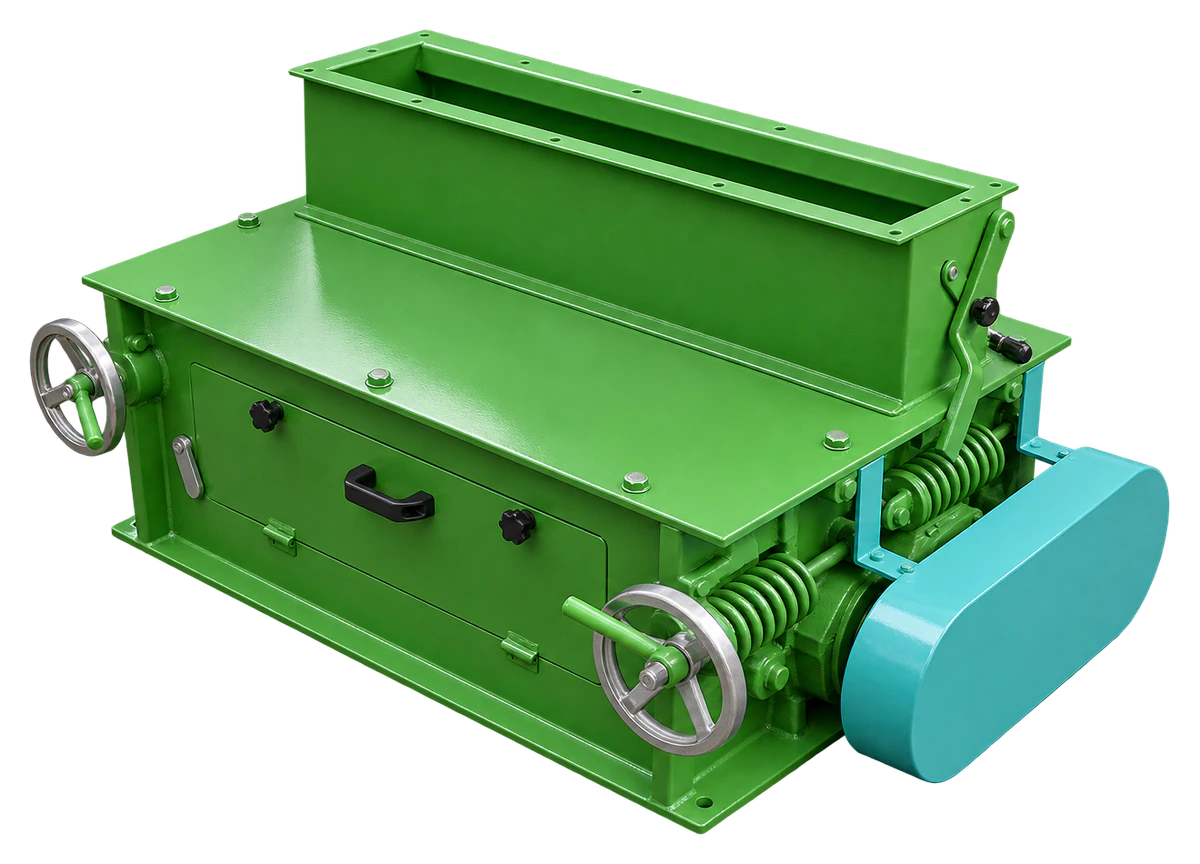
Crumbling and sieving
To obtain pellets smaller than 1 mm, pellets from the silo are broken in a crumbler, which reduces them to the desired size with an adjustable roller gap.
The crumbled pellets are sieved on a vibrating sieve to separate sizes and remove dust, producing microparticle feeds of different sizes.
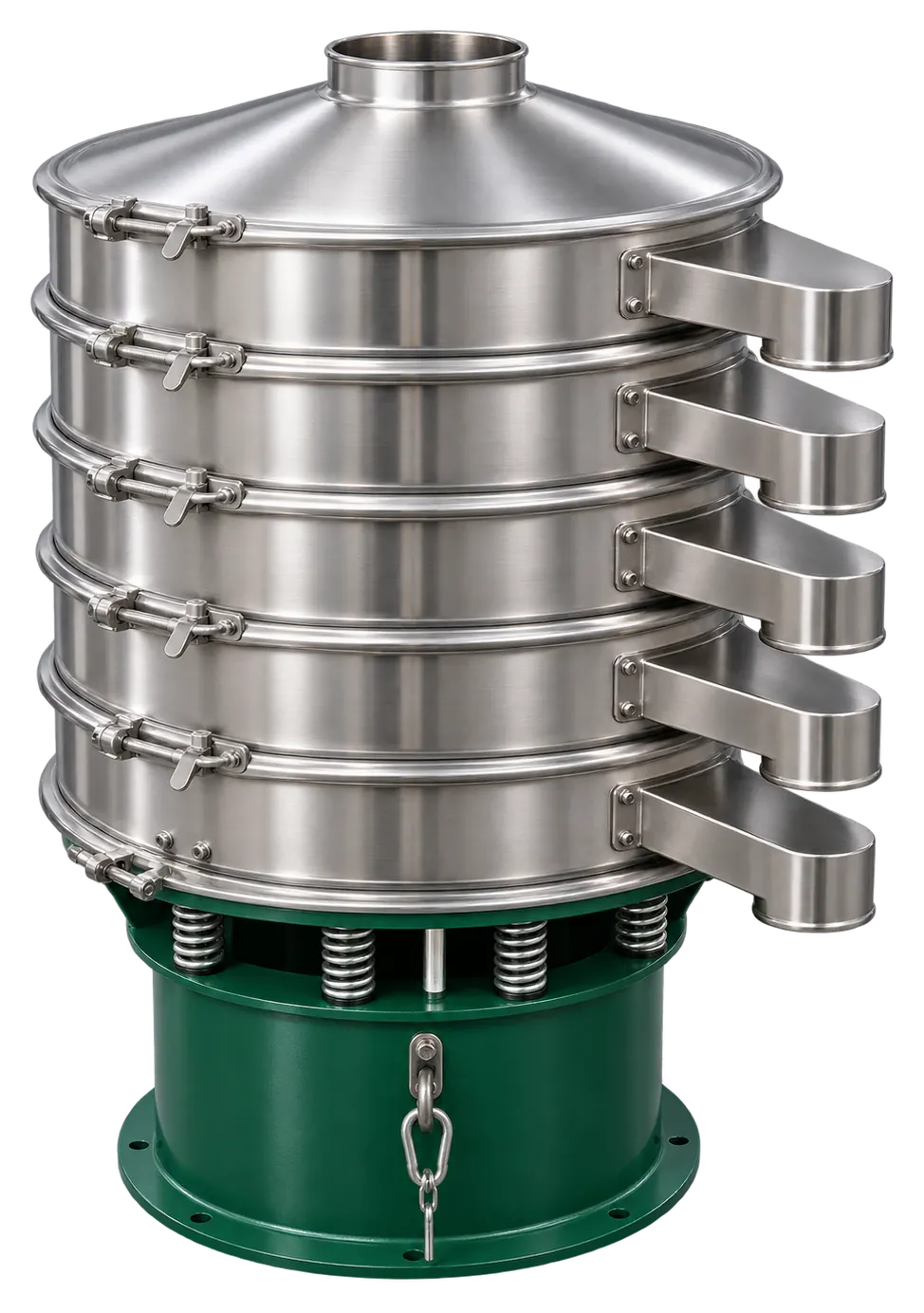
The microparticle feeds leaving the sieve are bucketed or packaged and ready for use.
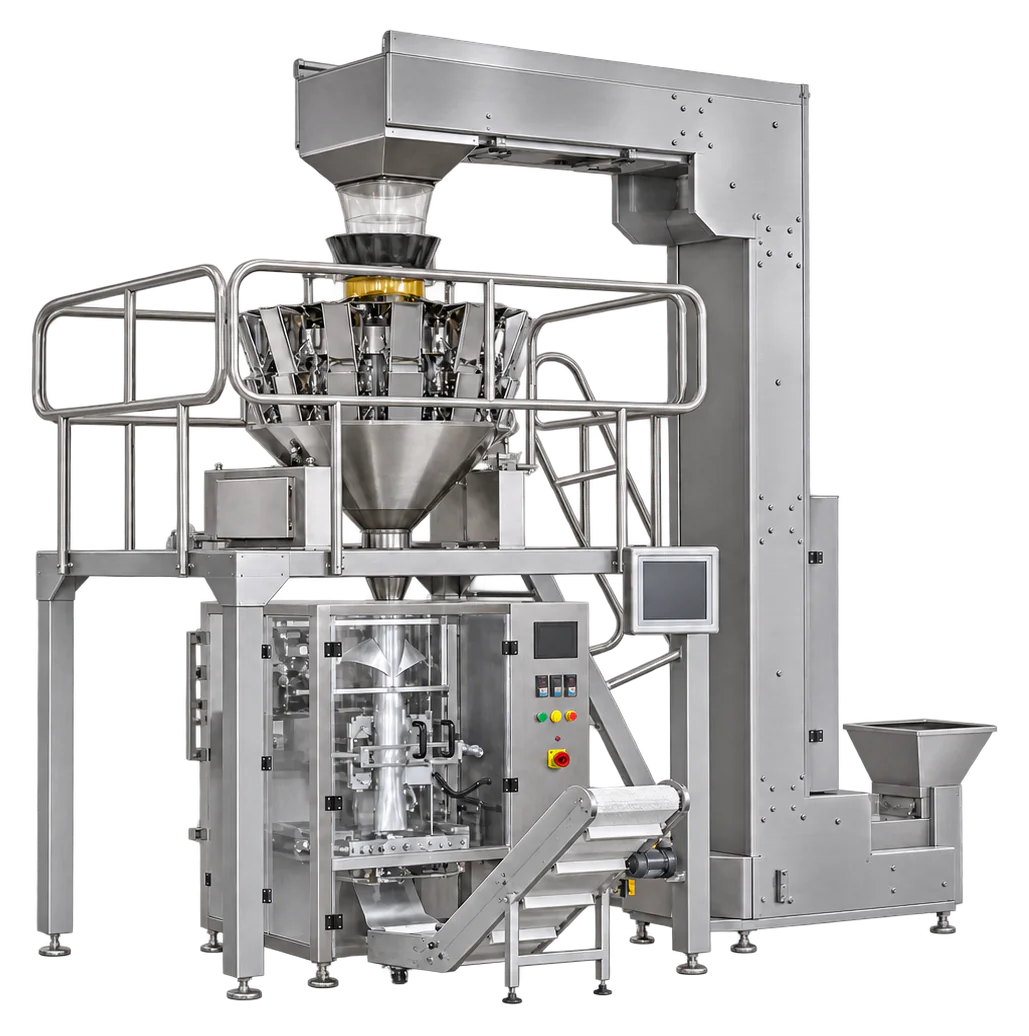
Packaging
In the final stage, rapid packaging machines complete production quickly, economically and untouched by hand.
The process, step by step
- 01
Raw material supply
Ration ingredients are sourced from domestic and international suppliers to set procedures and stored in silos.
- 02
Dosing
Raw materials are dosed from the silos by screw or belt conveyors according to the ration and sent to the mill.
- 03
Grinding
Raw materials are ground to micron size; particle size directly determines pellet quality.
- 04
Homogeneous mixing
The mixture is blended homogeneously in a mixer and stored in a separate silo until feed production.
-
 05
Extrusion
Dough tempered with water in the conditioner is cooked under high pressure in a single or twin-screw extruder and cut by knives at the outlet.
- 06
Drying
Pellets are dried at a thermostat-set temperature in a 5-layer electric, gas or steam dryer with adjustable speed.
- 07
Oil adding and flavoring
Pellets sprayed with oil, powder or aroma by a dosing pump are coated in a two-cylinder drum, carried to silos by cooling conveyor and rested for 1 day.
- 08
Crumbling and sieving
For feed below 1 mm, pellets are broken in a crumbler, then sized and de-dusted on a vibrating sieve.
- 09
Packaging
Rapid packaging machines complete production quickly, economically and untouched by hand.
Mill generations
- 1. generation
Standard grinding machine (hammermill)
A hammermill suitable for grinding large amounts, used for the basic grinding of granular grains.
- Model
- SFSP56 / SFSP112
- Capacity
- 2.5–16 t/h
- Sieve
- 3 mm
- 2. generation
Fine grinder
Has a newly designed hammer, suitable for finer grinding in the feed, grain, food, environmental protection and chemical industries.
- Model
- SFSP65 A
- Capacity
- 1.7–16.6 t/h
- Sieve
- 0,8 mm
- 3. generation
Micro grinder (micro pulveriser)
Suitable for micro grinding with adjustable fineness; used in micro-pulverised fish feed production.
- Model
- SFWL
- Capacity
- 1.7–7 t/h