 TR
 EN
 عربي

- No
- MP·65
- Date
- Topic
- Biology & spirulina
- min read
- 2 min read
Why blue-green algae matter for our planet
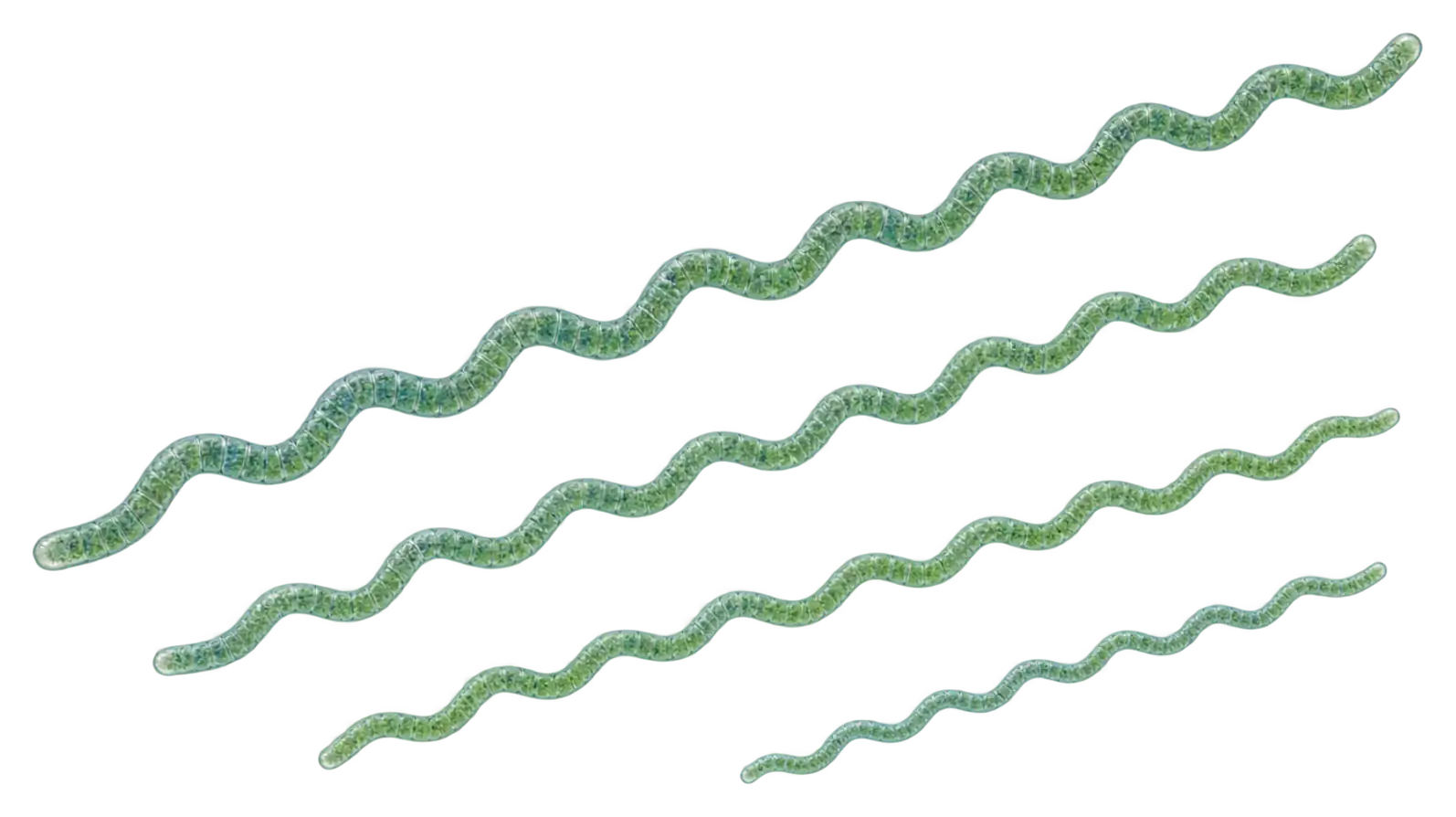
Blue-green algae existed 3.5 billion years ago and are among the oldest fossils on Earth. Many species still live today in the planet's most extreme habitats, and they matter enormously for our planet. Why?
Don't think the air and water were pristine 3.5 billion years ago just because there were no humans!
It was not easy for our planet to become habitable for us and many other living things. In the eras when only microbial life is thought to have existed, blue-green algae lived in toxic waters and cleaned both water and air through photosynthesis; they produced oxygen and food, changed the climate and made possible the evolution of other organisms, and with it biological life and species diversity as we know them.
Blue-green algae, or cyanobacteria, are special organisms that can take free nitrogen from the air during photosynthesis. While most plants cannot use free nitrogen gas from the air, blue-green algae can, and they meet the nitrogen needs of other plants too. That is why they can be considered the link before the first link of the food chain!
Among the few edible blue-green species, spirulina (Arthrospira sp.) is the most valuable and completely safe. As we said, blue-green algae live in harsh habitats: spirulina, a species billions of years old, lives in nature only in highly alkaline, saline lakes that hardly allow other life. Indigenous peoples in these regions discovered it centuries ago: the people of Lake Chad in Africa and the Aztecs in the Americas were the first to recognise this food. Asians and Europeans learned about spirulina from them and only began to appreciate its value in the 1970s.
The most widely cultivated spirulina species in the world is Arthrospira platensis. As a dried raw food, spirulina's nutrient content is striking:
60–70% protein, containing all essential amino acids in balance. Its 85% digestibility sets spirulina protein apart from other plant proteins.
5–8% fat, with a high share of polyunsaturated fatty acids (1.5–2%): linoleic, linolenic, palmitic and, above all, a high level of gamma-linolenic acid (GLA), just one of the molecules that make spirulina different.
Spirulina contains large amounts of a wide variety of functional pigments; its phycocyanin, beta-carotene and chlorophyll content is hard to compare with any other food source.
Minerals make up 5–7% of dry spirulina in its various forms. Spirulina contains vitamins B1 (thiamine), B2 (riboflavin), B3 (nicotinamide), B6 (pyridoxine), B9 (folic acid), B12 (cyanocobalamin), C, D and E, as well as iron, zinc, potassium and calcium.
Spirulina production absorbs tonnes of greenhouse carbon dioxide from the air, produces tonnes of oxygen and turns it into food.
Now you have a local producer, so you can enjoy this unique food with confidence.
ALGOPHYCO, local spirulina, is the best!
Our company, Mavi Protein Consultancy, has become an authorised dealer of this valuable food and is proud to offer it. Sales links:
- https://www.hepsiburada.com/Algophyco
- https://www.n11.com/magaza/maviprotein