 TR
 EN
 عربي
Production line
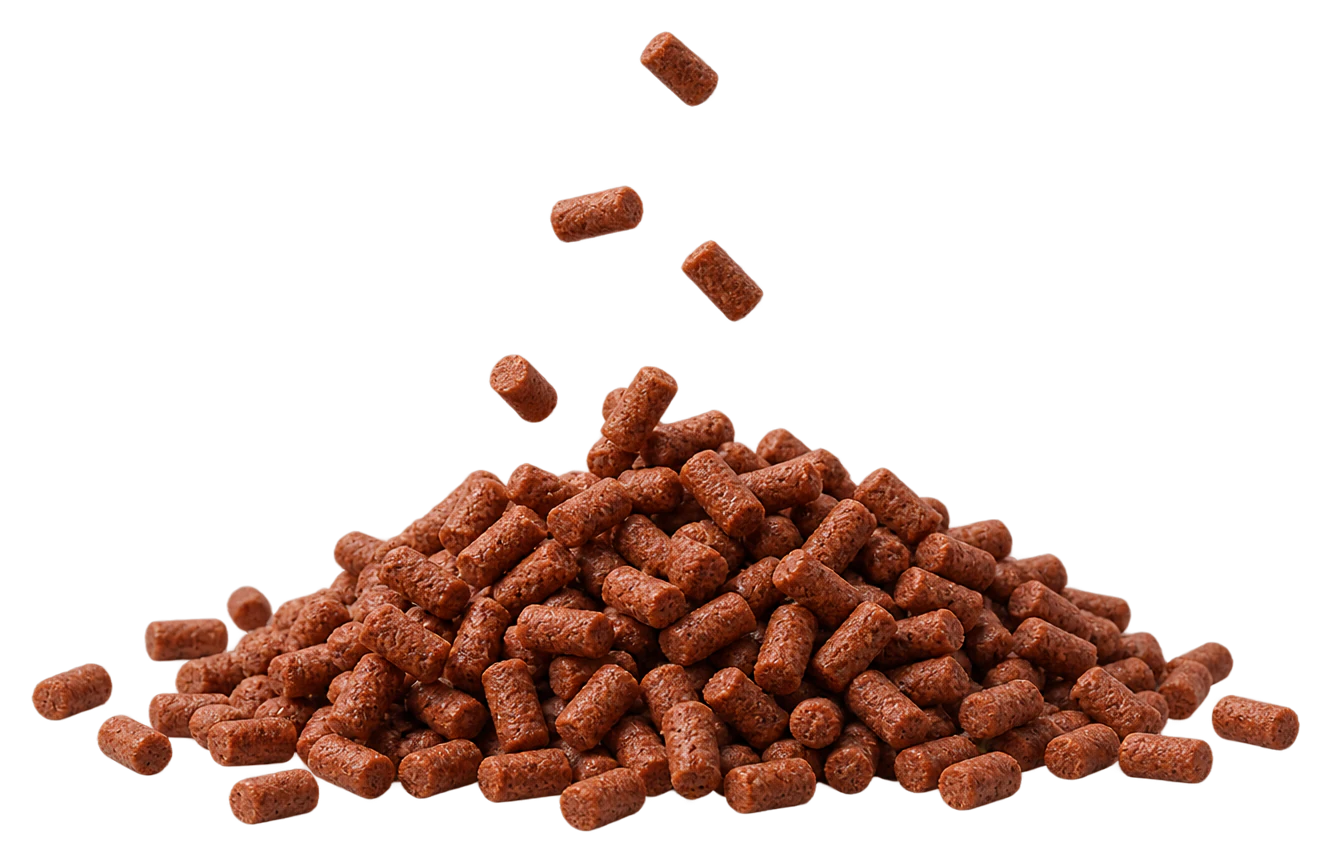
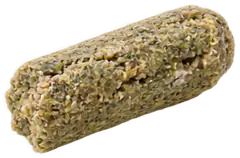
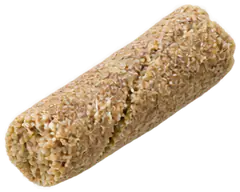
Livestock feed
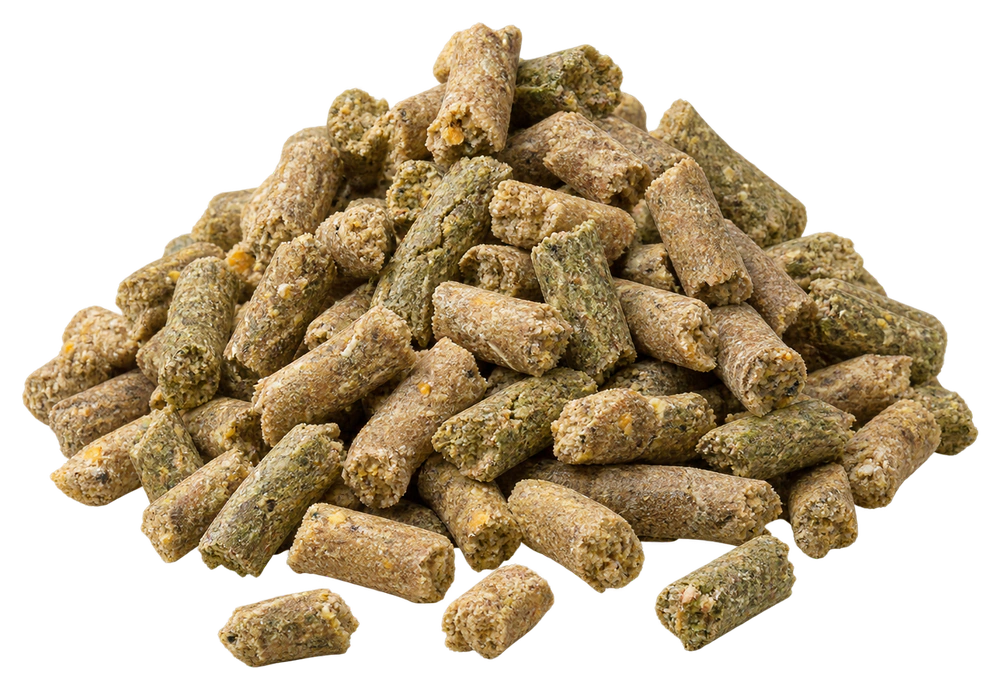
An extrusion line that turns rations prepared for species, age and nutrient needs into pellet feed, from mixing to coating.
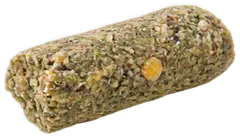
- Capacity
- 120–500kg/h
- Installed power
- 70–120kW
- Line length
- 22–28m
01·Line journey
From ration to pellet feed.
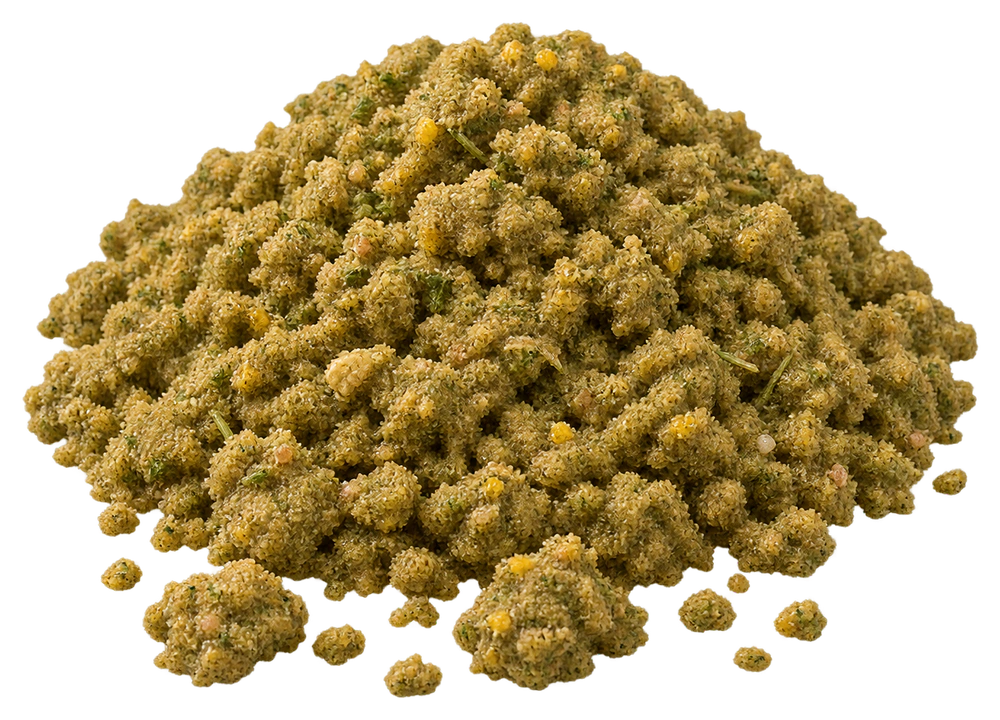
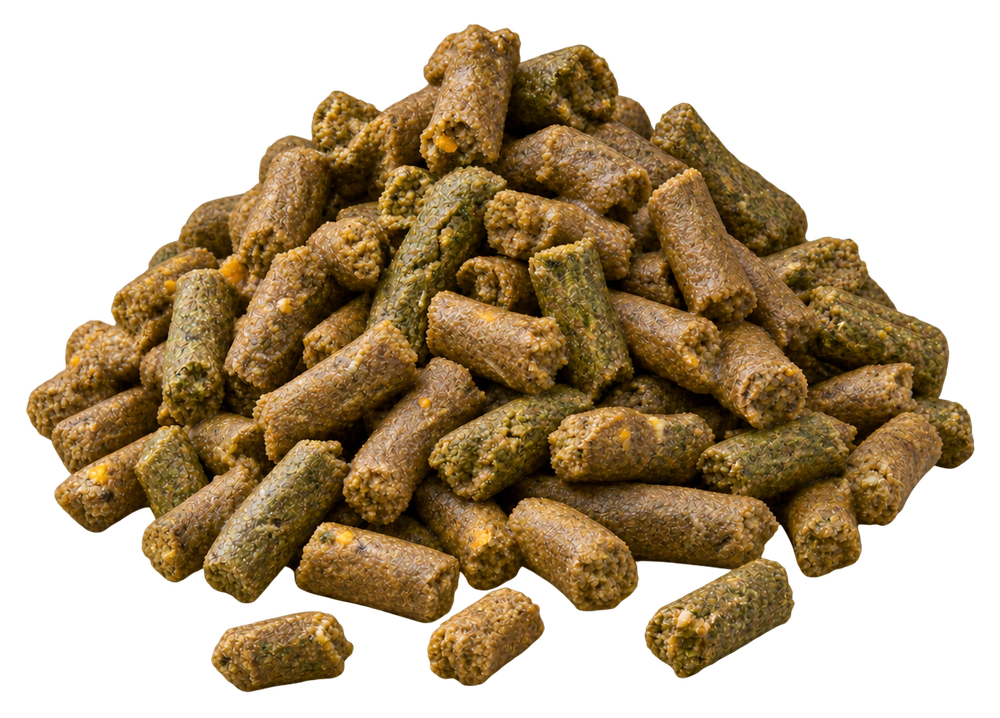
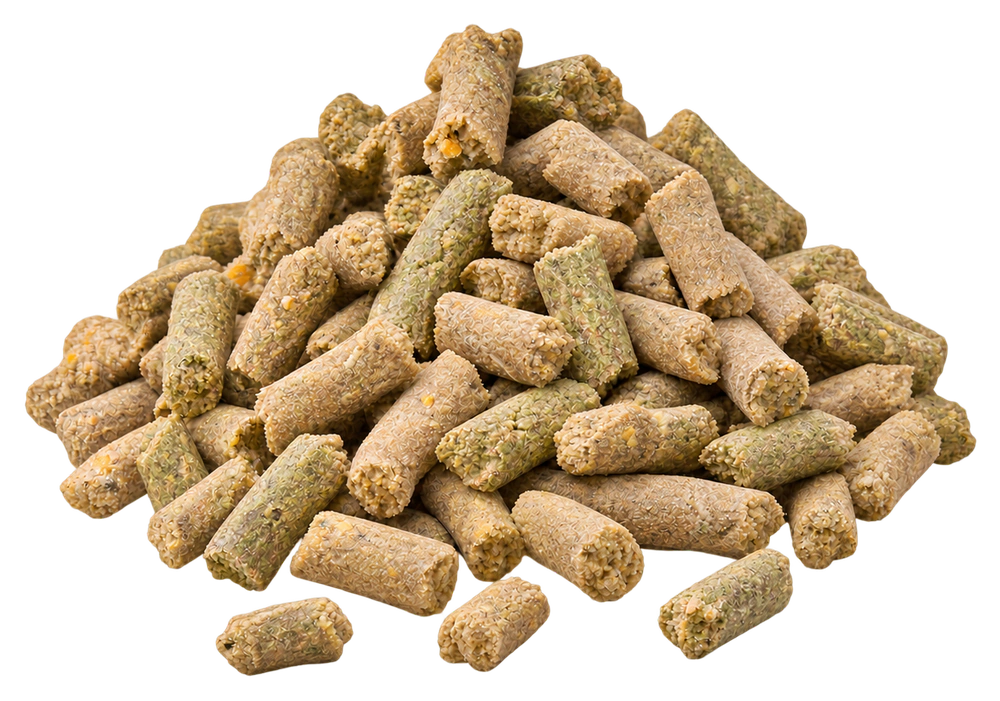
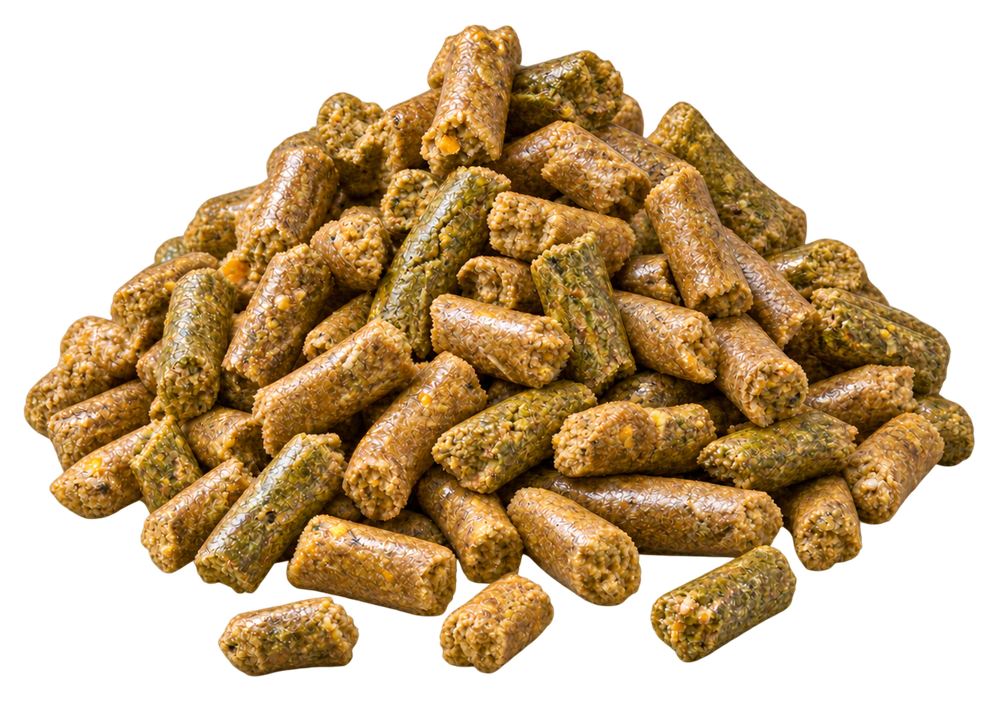
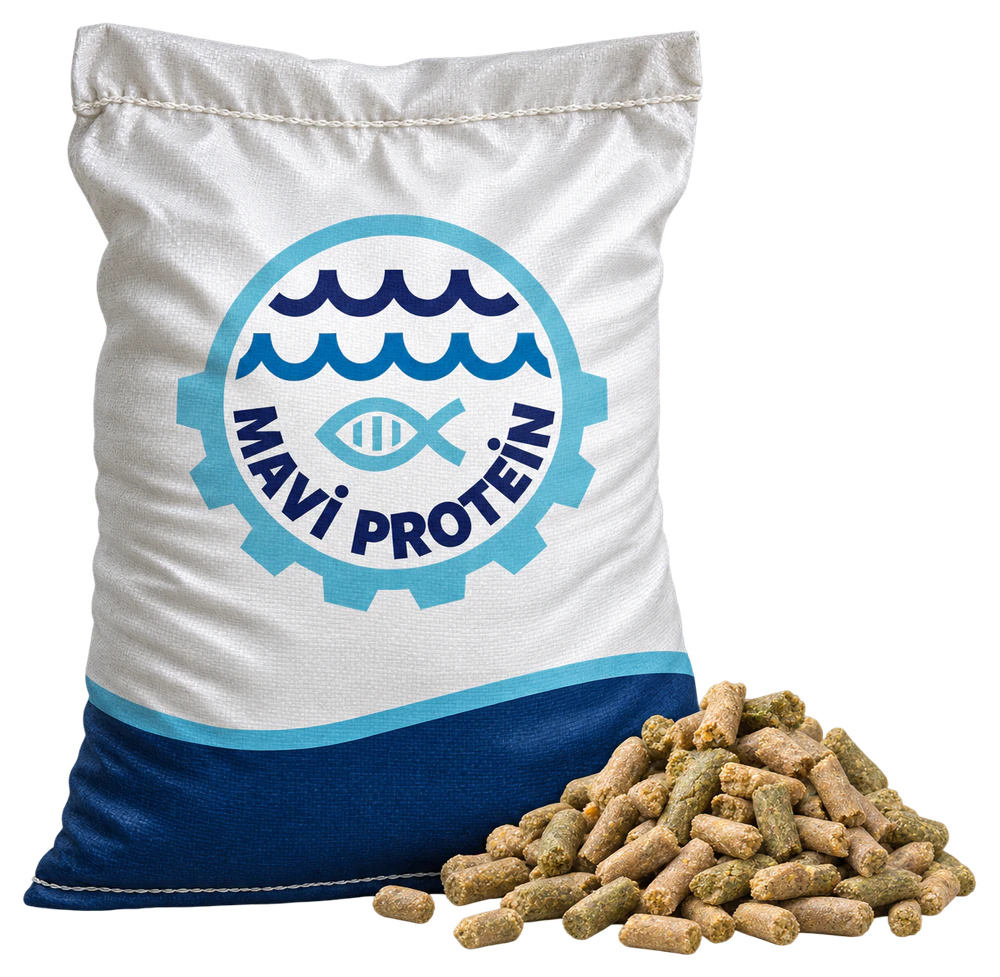
-
 A step that completes the line end to end
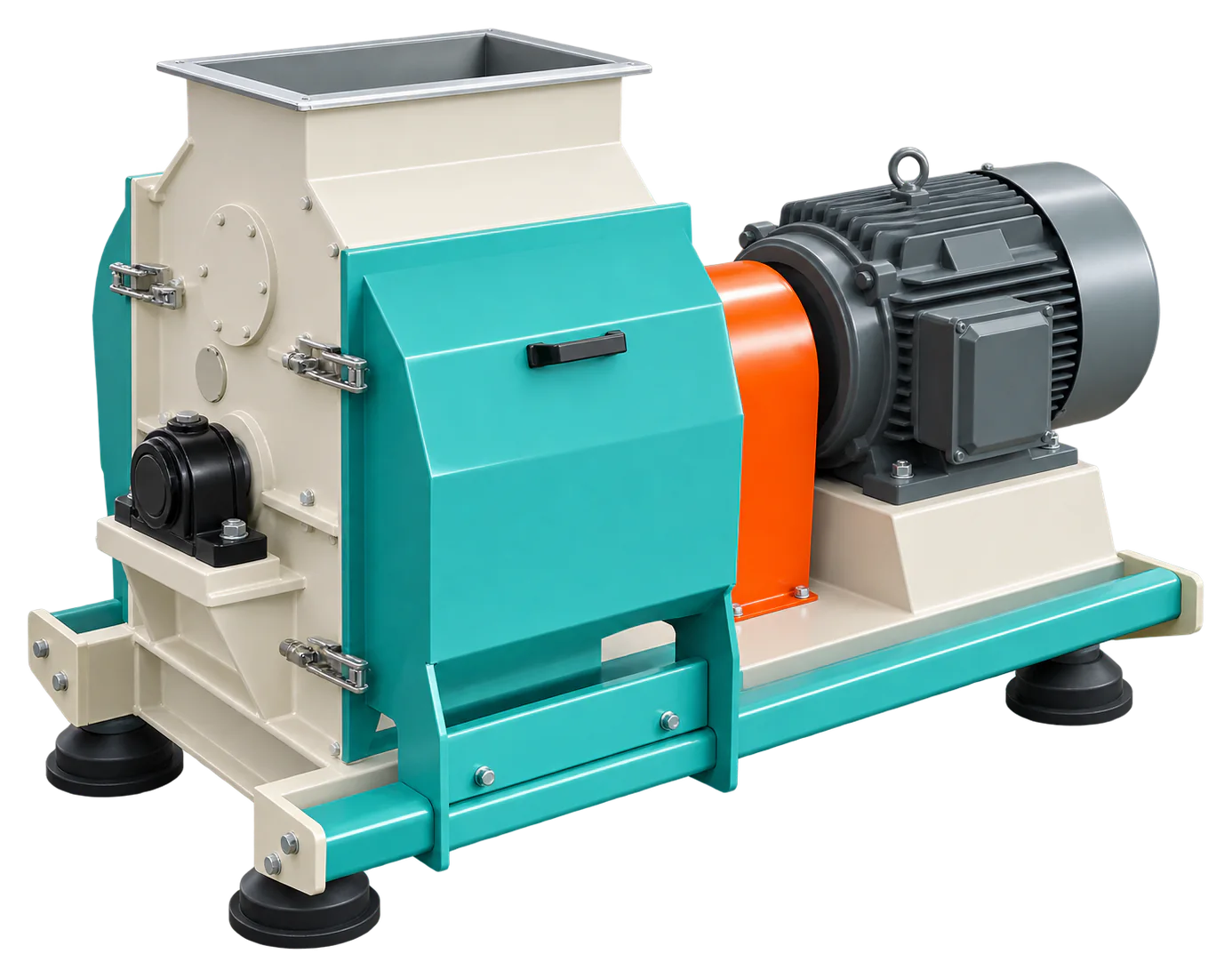
Grinding
Hammer mill (1st generation)
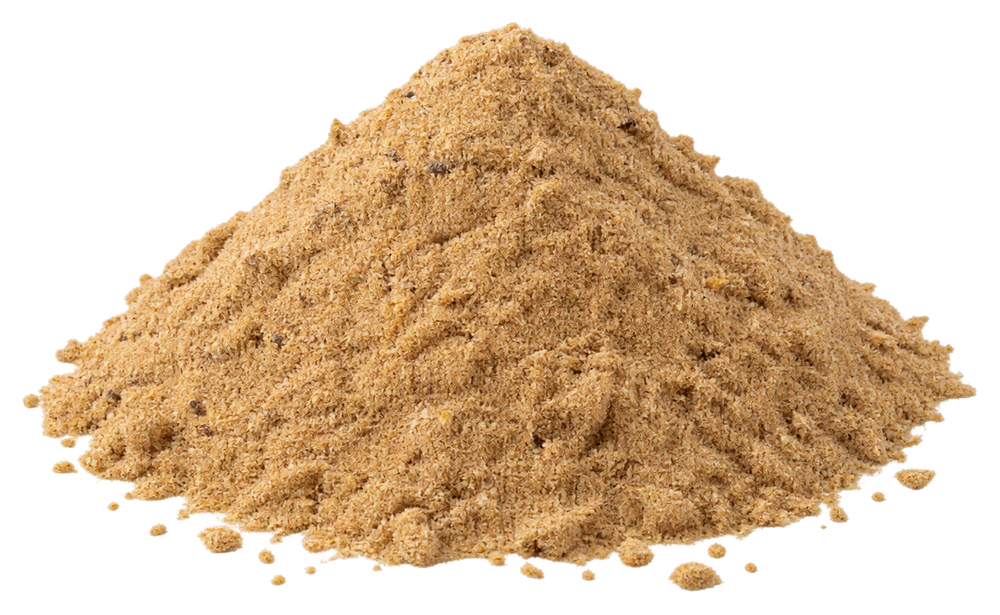
Dry ingredients are ground before mixing.
2.5–16 t/h
View the machine -
 1
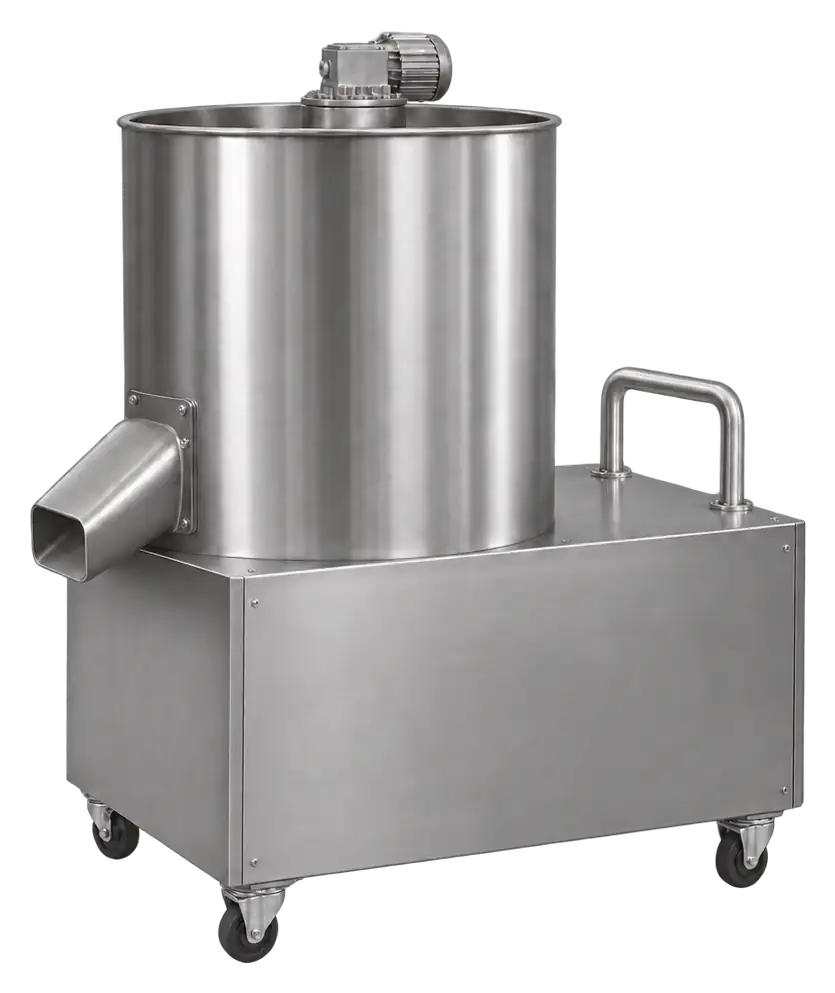
Mixing
Mixer
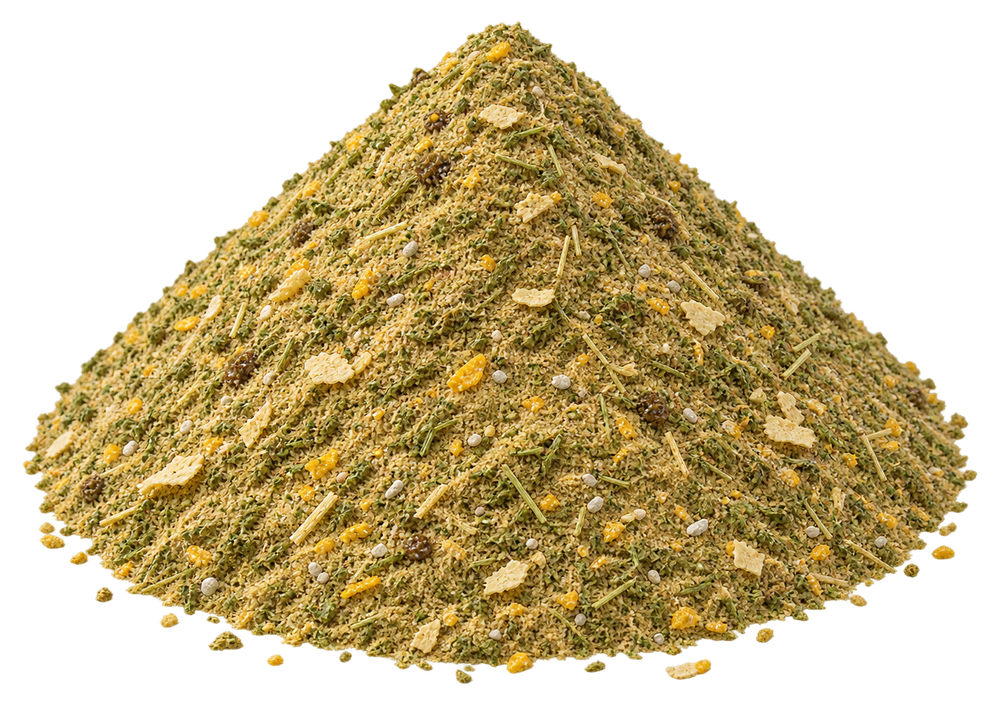
The dry and wet ingredients of a ration prepared for species and age come together.
-
 2
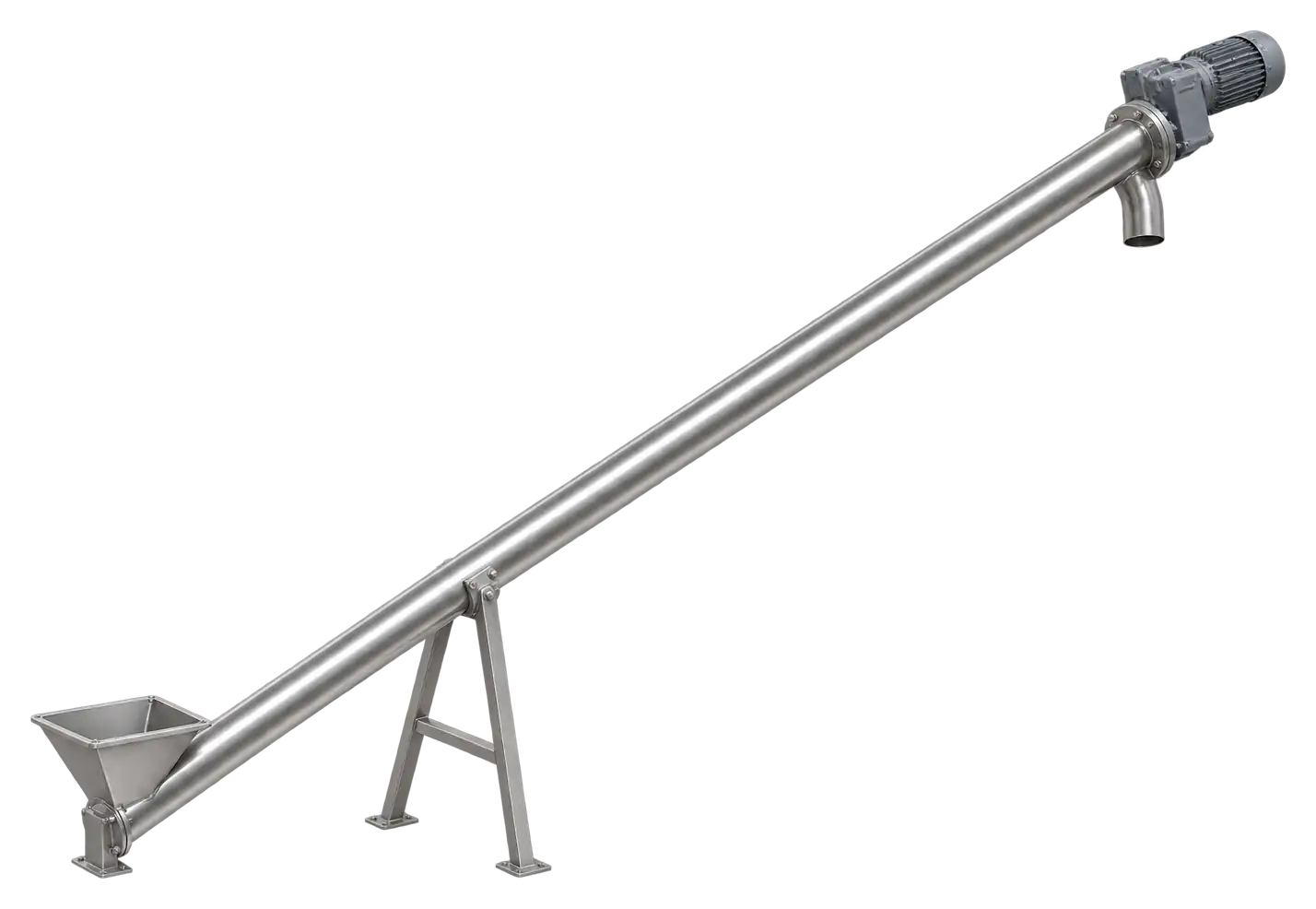
Feeding
Screw conveyor
The mix is heated before it is fed into the extruder.
-
 3
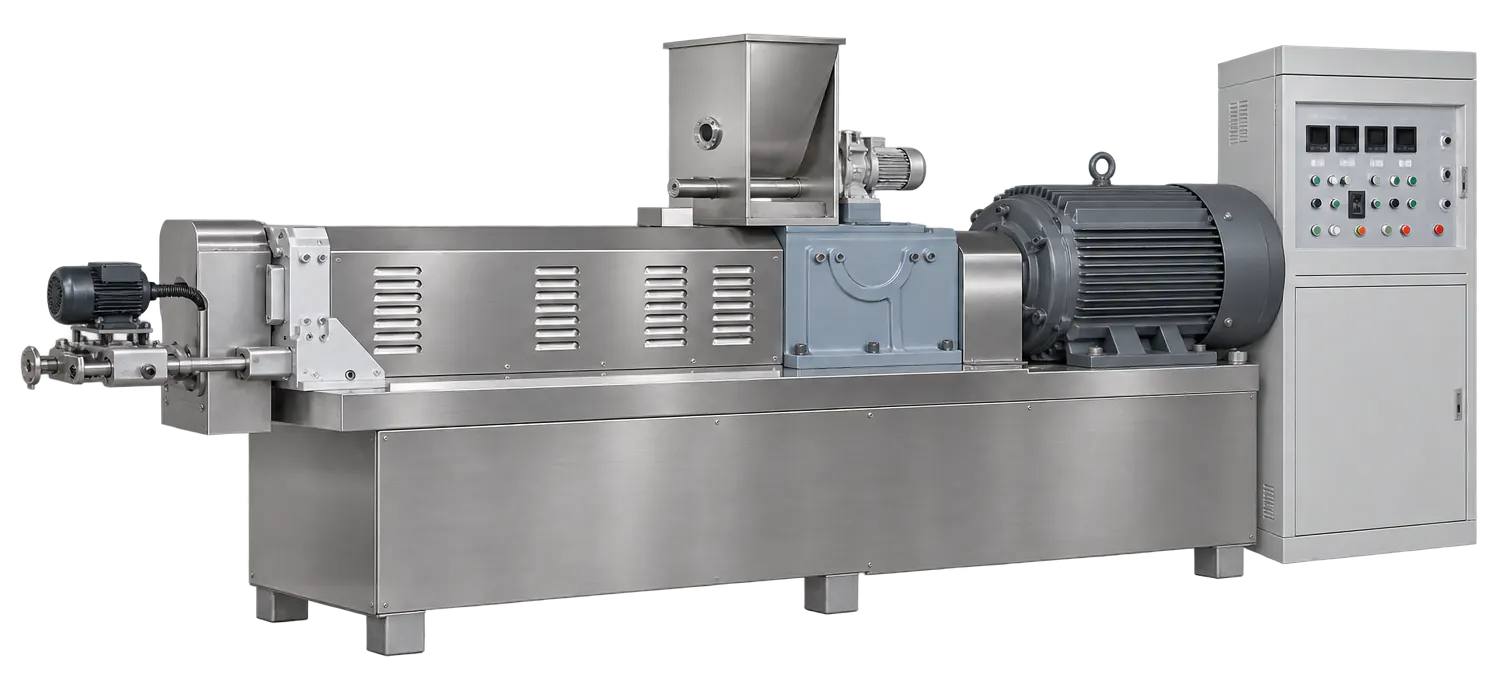
Extrusion
Double screw extruder · SP65-III · SP70-II · SP85-II
As it moves toward the open end, the mix is shaped, cut and cooked under intense heat and pressure.
120–500 kg/h
View the machine -
 4
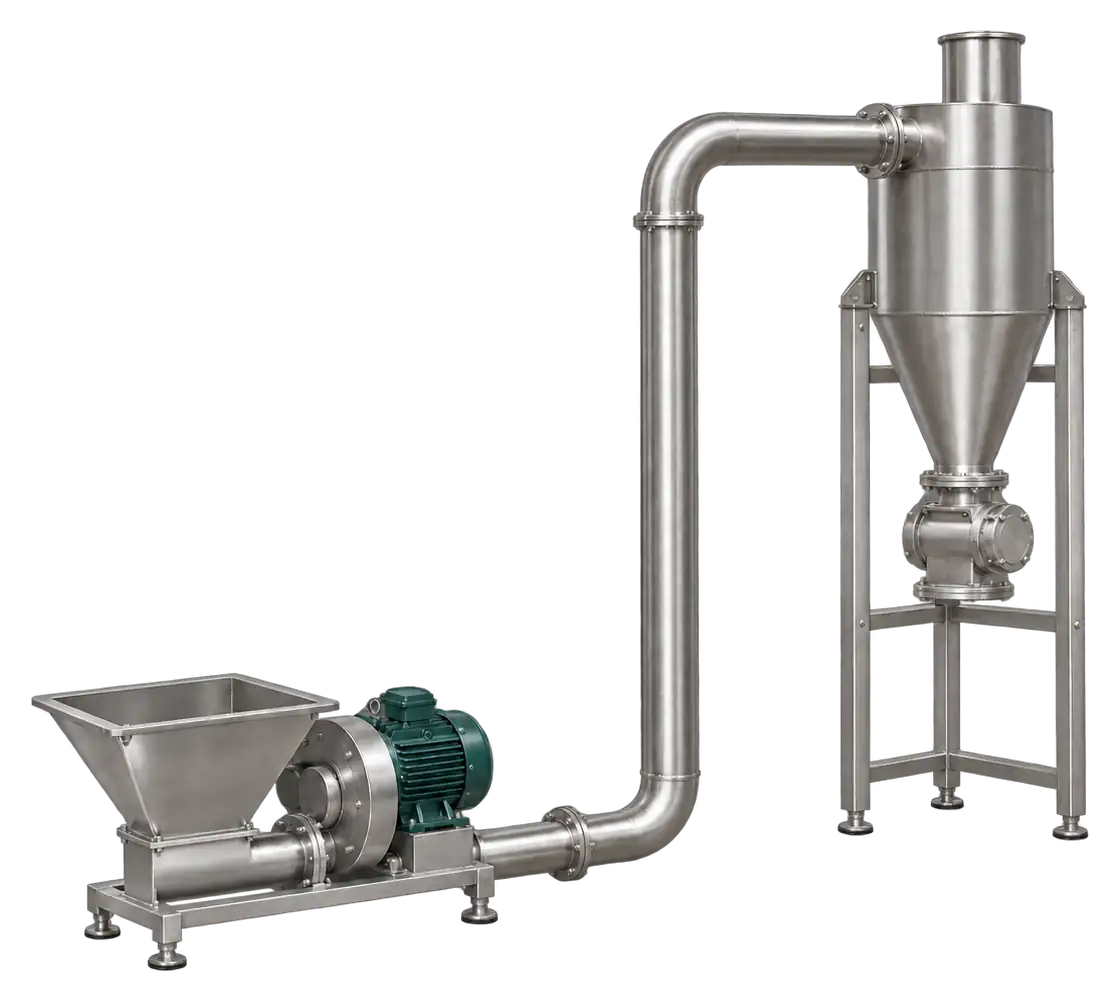
Conveying
Air conveyor
The fresh product is carried to the dryer in a closed line, without breaking.
-
 5
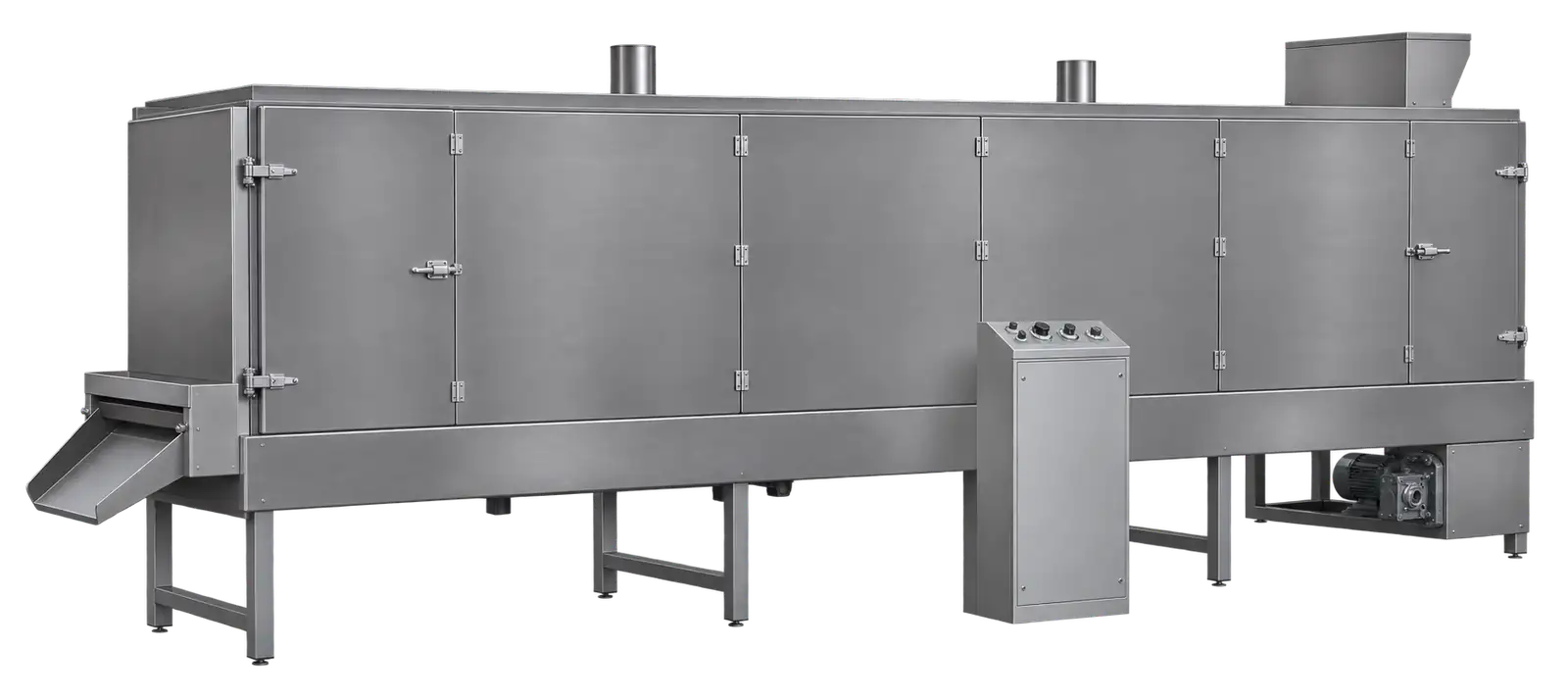
Drying
Dryer
The feed is dried in the multi-pass dryer until its moisture is right for the crust to form.
5 layers
View the machine -
 6
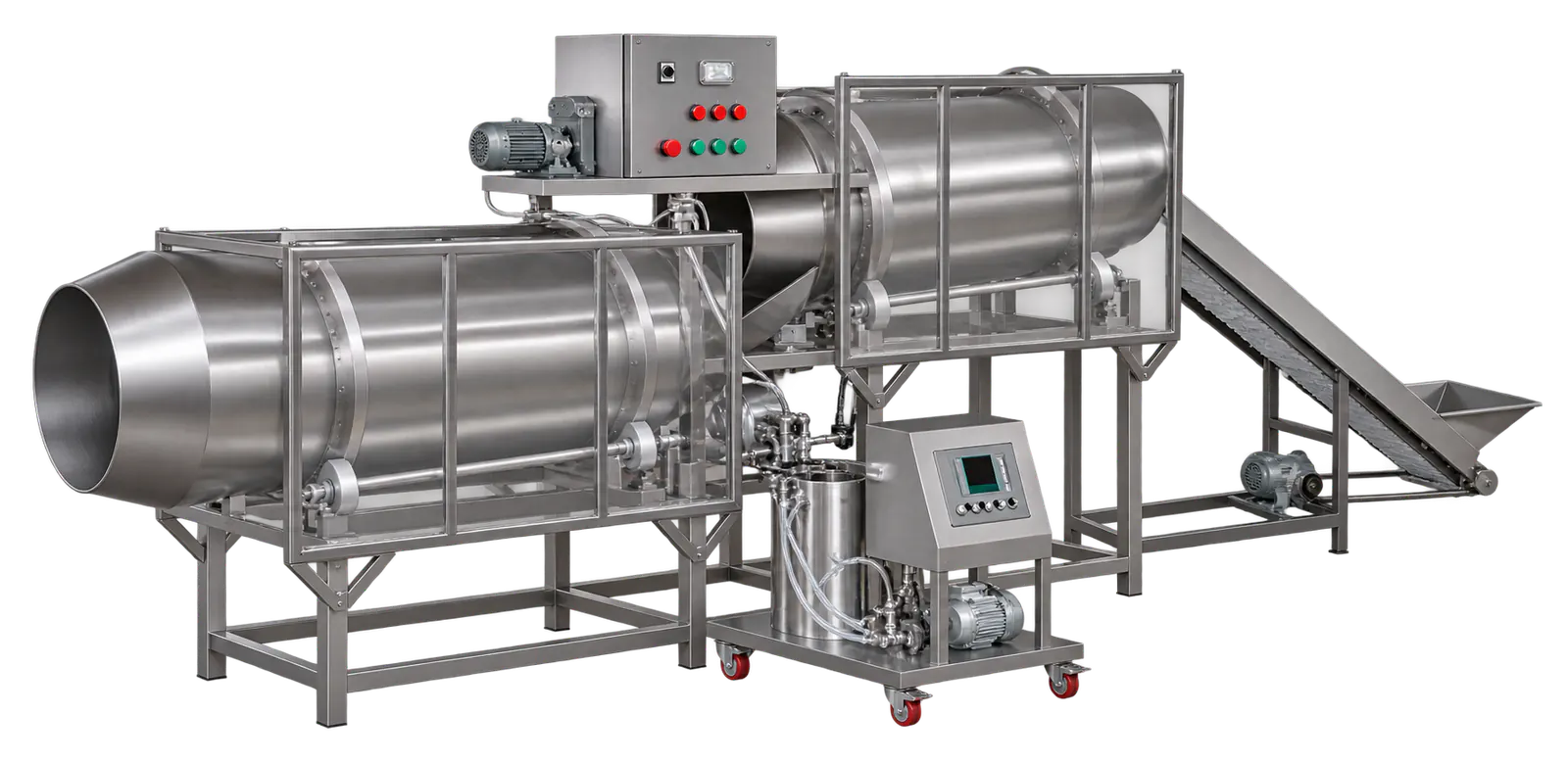
Coating
Flavoring machine
Animal fat and vitamins are applied in the coating drum.
500 kg/h
View the machine -
 7
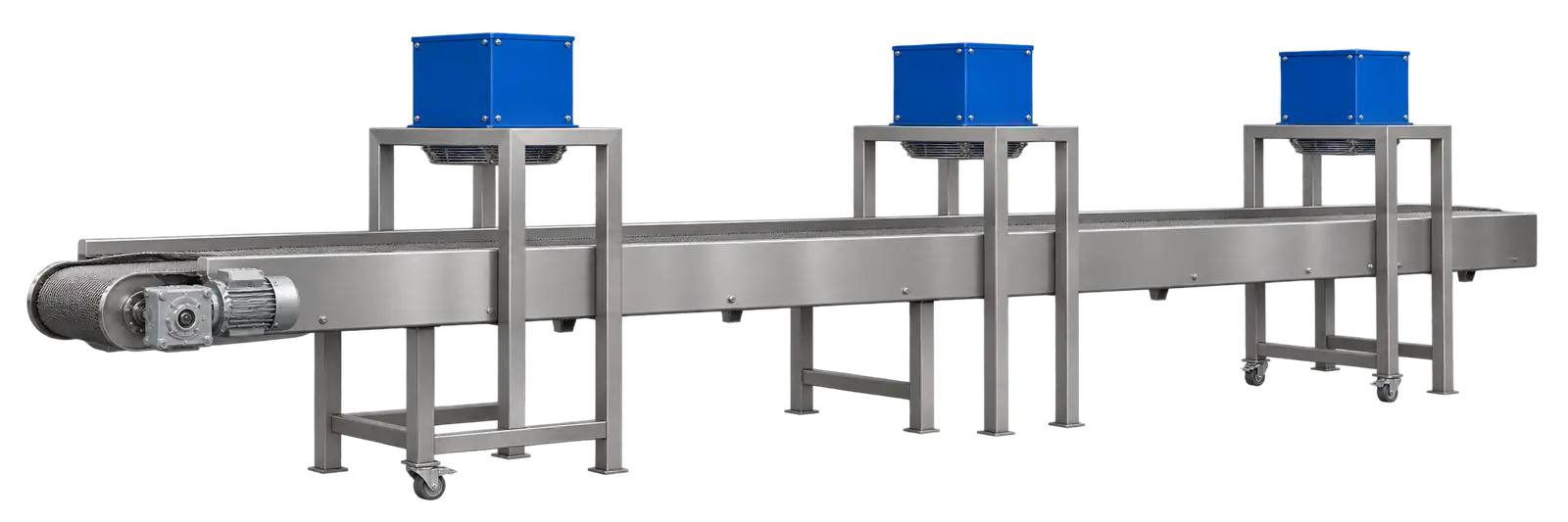
Cooling
Cooling conveyor
The product is cooled on a fan-cooled belt.
-
 A step that completes the line end to end
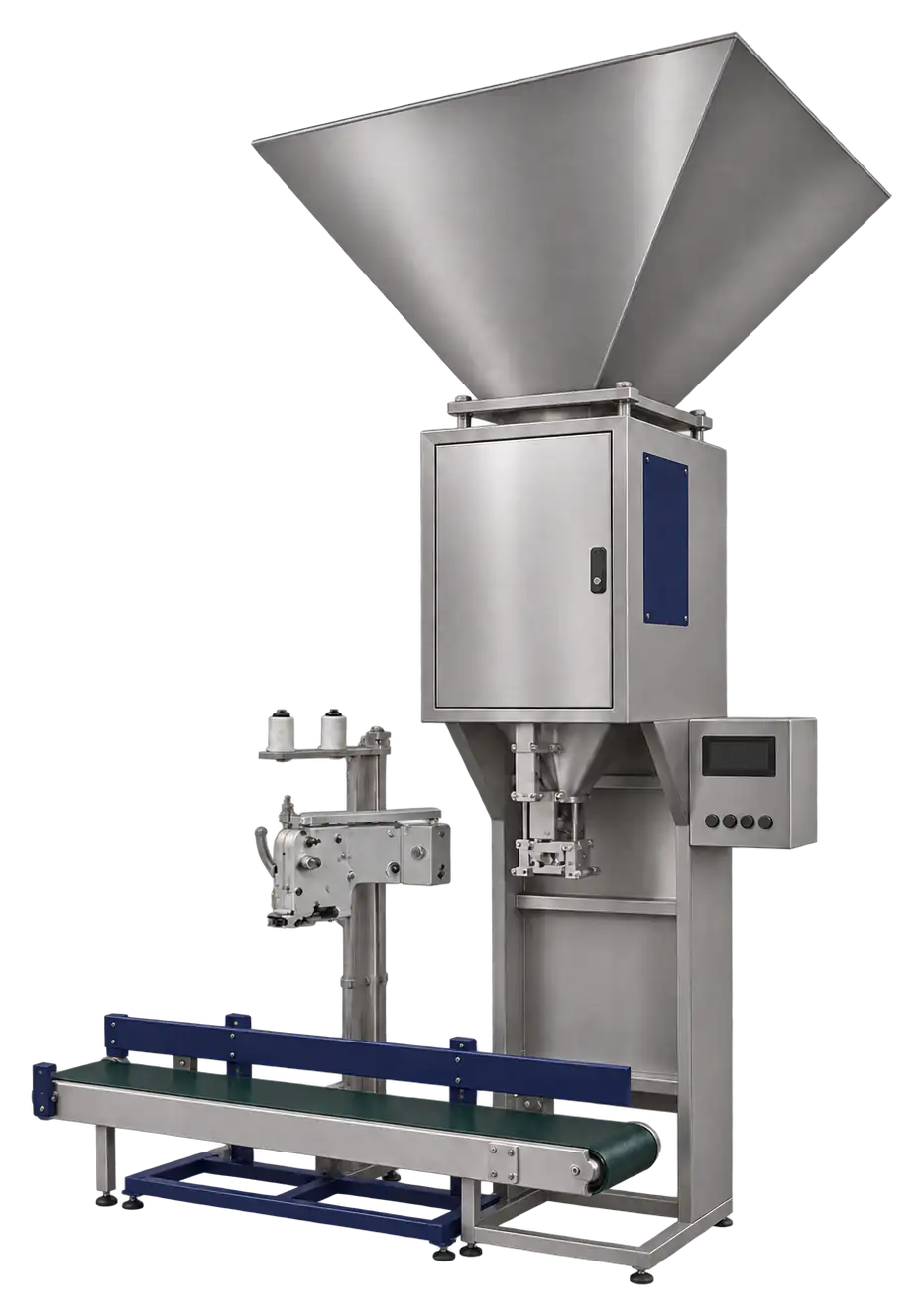
Packaging
SP-50 electronic packaging scale
The pellet feed is weighed into sacks.
5–50 kg
View the machine -
An extrusion line that turns rations prepared for species, age and nutrient needs into pellet feed, from mixing to coating.
Request a quote for this line
02·Production line features
Production line features
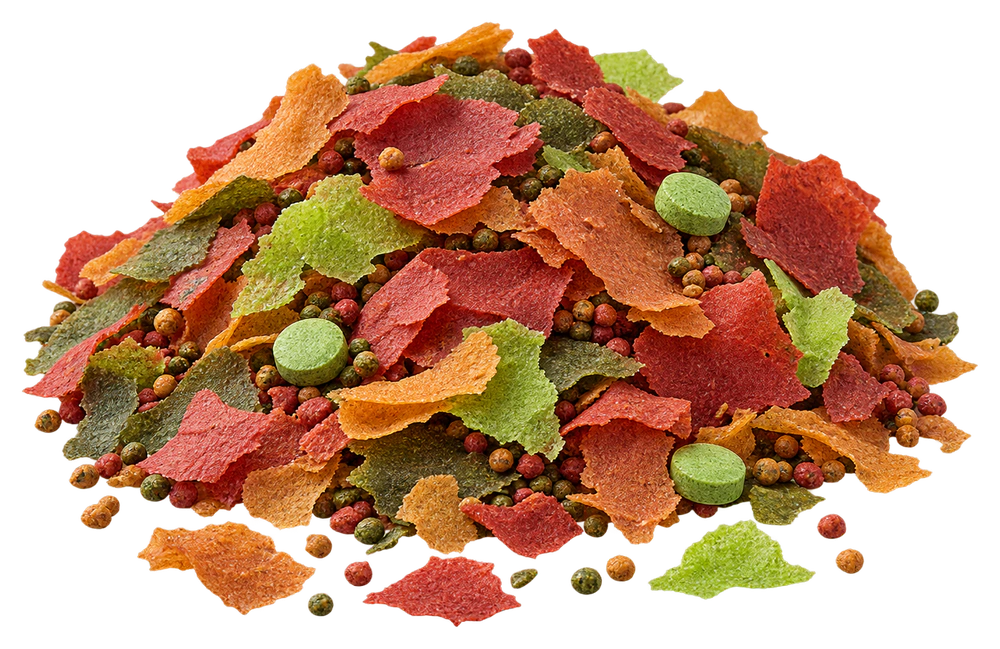
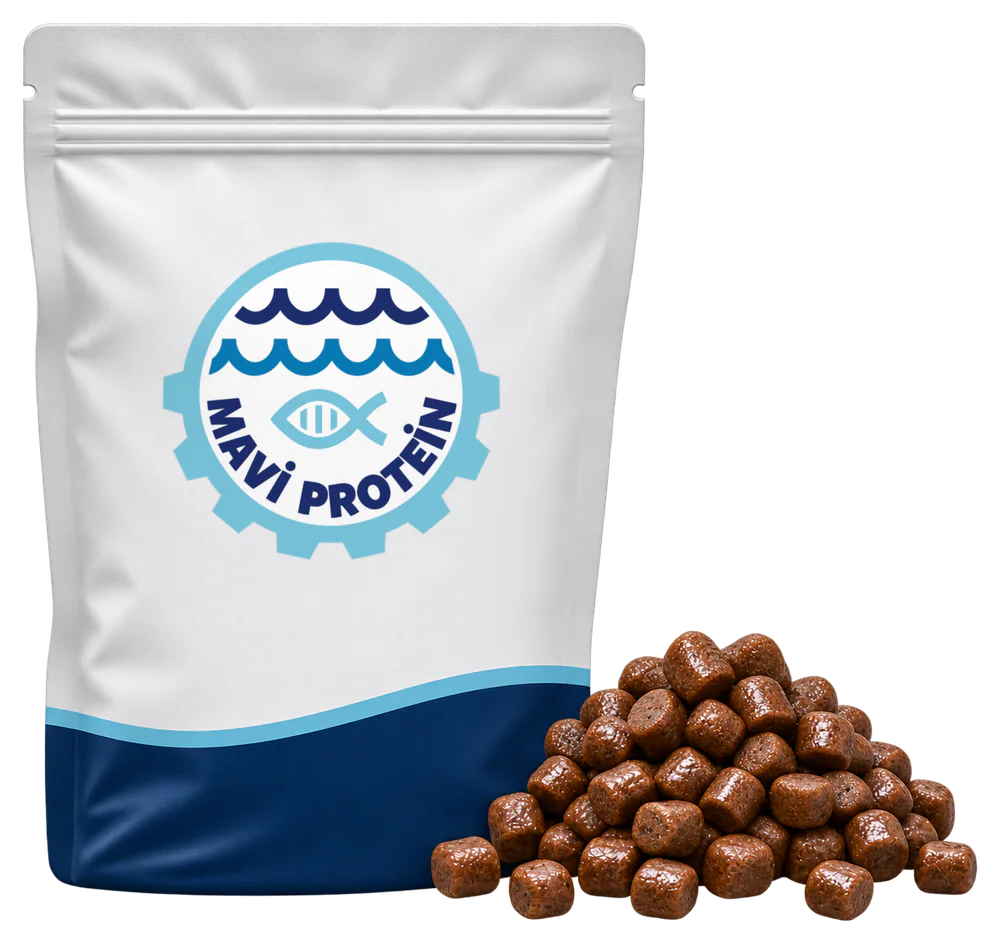
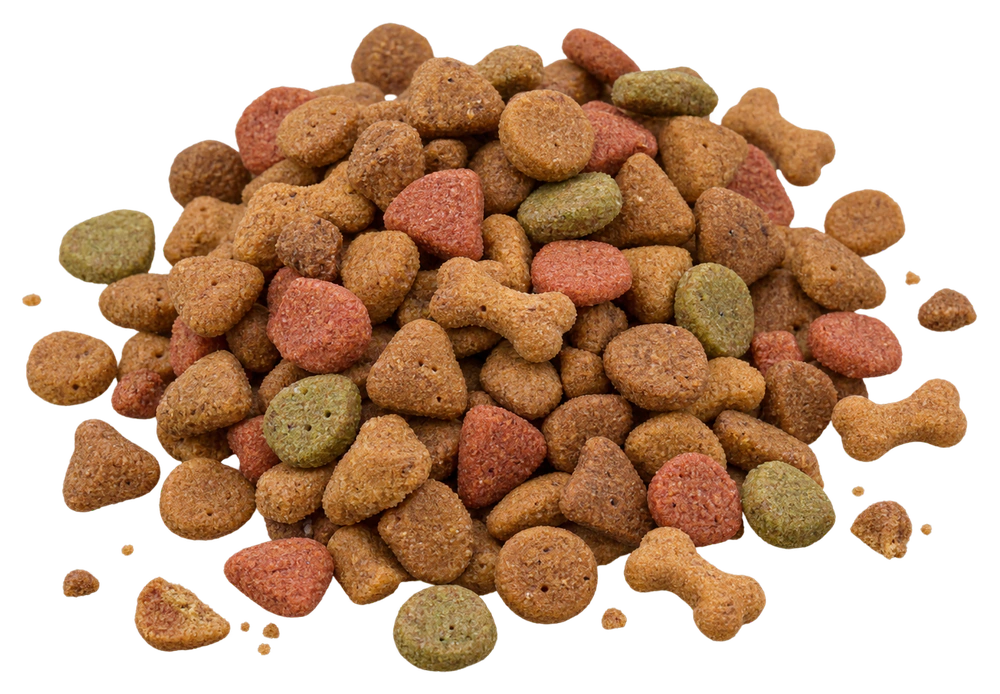
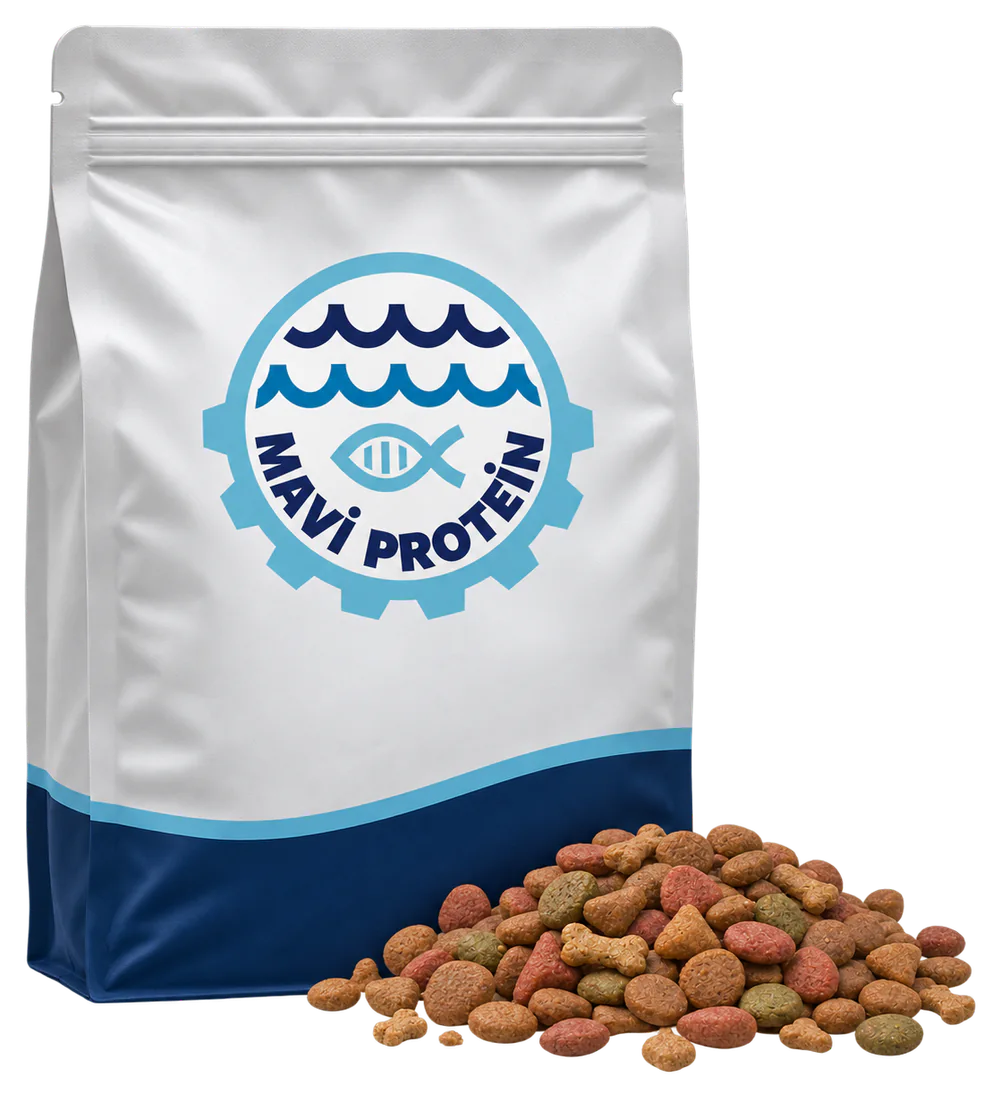
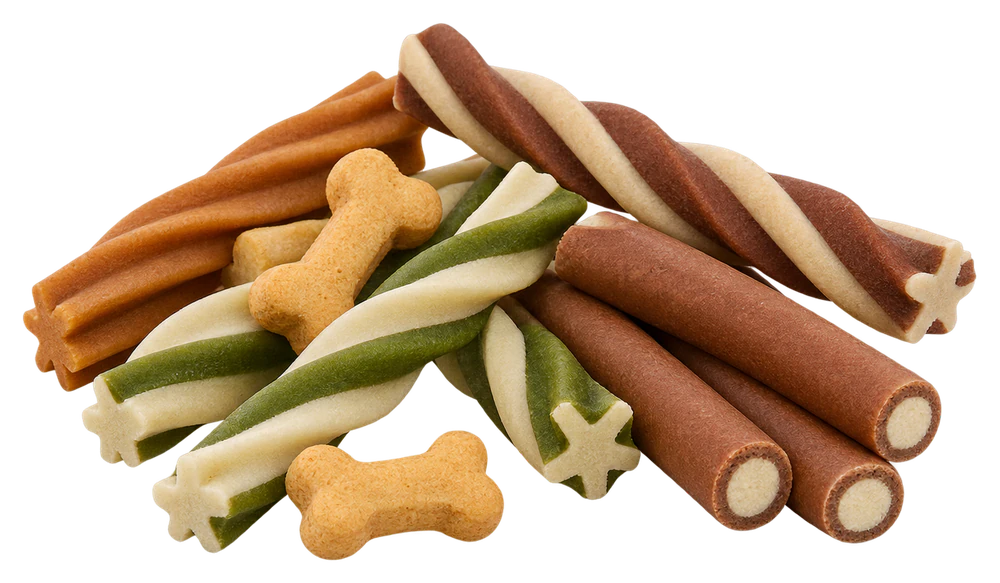
Pellet feeds used in the livestock industry vary considerably by species, age, sex, nutrient content and size. Special rations are prepared with species-specific mineral and nutrient requirements in mind.
All ingredients are brought together in a mixer. Dry ingredients are ground before being mixed with wet ingredients. The mixture is heated before it is fed into the extruder. In the extruder the mixture is shaped, cut and cooked under intense heat and pressure as it moves toward the open end. The feed is dried in a multi-pass dryer until its moisture reaches the right level. It then passes into a coating drum where animal fat and vitamins are applied.
03·Technical specifications
Model comparison
Values from the 2016 catalogue; capacity in kg/h. Request a quote for a project-specific configuration.
04·What Mavi Protein brings
What comes with the line.
- 1
Ration and formulation
Recipes specific to species, age and product; choice of raw materials and additives.
- 2
Installation and commissioning
Layout, assembly, mechanisation and first production.
- 3
Handover through training
Training for operators and technical staff.
- 4
Raw material and consumable supply
Sourcing of raw materials, additives, vitamins and minerals.
- 5
Funding and project support
Financing the investment through suitable support programmes.
Let us build this line for your product.
or directly +90 532 676 74 22 info@maviprotein.com.tr